

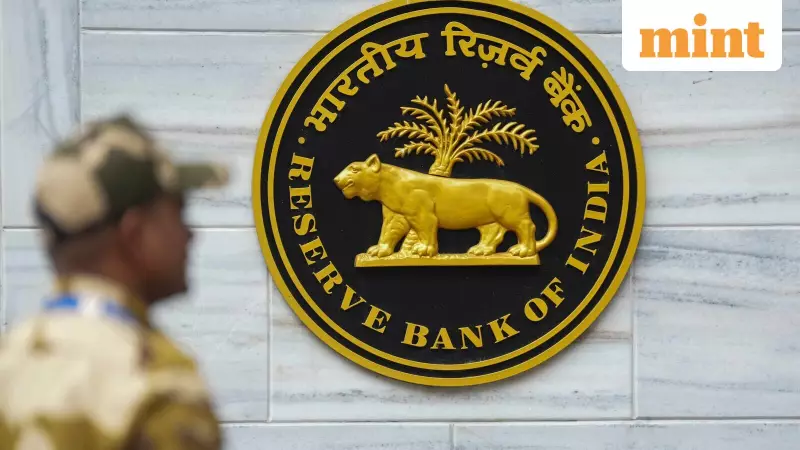
In a landmark move to streamline the financial regulatory landscape, the Reserve Bank of India (RBI) on Friday unveiled a massive consolidation of its rules, replacing thousands of old circulars with a set of 244 master directions. This initiative is designed to eliminate redundancy and significantly ease the compliance burden for regulated entities.
A Monumental Clean-Up Exercise
The central bank stated that this extensive clean-up operation, which took five to six months to complete, will fundamentally change how regulations are communicated and implemented. Over 9,400 circulars and guidelines that had piled up over several decades have been addressed. Out of these, 5,673 were deemed obsolete and withdrawn, while 3,809 were incorporated into the new, streamlined master directions.
RBI Deputy Governor, Shirish Murmu, emphasized in a media conference in Mumbai that this is purely a consolidation effort. "This is only a consolidation, not a change in regulations," he told journalists. "The purpose is to eliminate redundancy, remove conflicts, and make compliance simpler and more efficient." The final count of documents repealed stands at a staggering 9,345.

Streamlined Rulebooks for Financial Entities
The department of regulation has meticulously sorted instructions dating back to the 1980s into entity-specific master directions. This new architecture covers eleven categories of regulated entities, including:
- Commercial Banks
- Small Finance Banks
- Non-Banking Financial Companies (NBFCs)
- Asset Reconstruction Companies (ARCs)
- Credit Bureaus
A major benefit of this new system is that each entity now has a single, organized rulebook. For example, commercial banks will now refer to just 32 subject-wise master directions, a dramatic reduction from the hundreds of cross-referenced circulars they previously had to navigate.
Enhanced Clarity and Future Updates
The RBI has also improved the structure of these documents for better usability. The responsibilities of boards have been consolidated into single sections, and Frequently Asked Questions (FAQs) have been merged directly into the main text for immediate clarity. Illustrations are now embedded within the directions instead of being tucked away in annexes.
In a related digital push, the RBI issued a fresh consolidated master direction on digital banking channels, merging earlier separate guidelines on mobile banking and call-based services. Going forward, amendments will be incorporated through a colour-coded system, maintaining continuity with the existing method of tracking changes. While some circulars will still be issued during consultation periods, most final regulations will now be reflected as amendments to these master directions.
The central bank has indicated that this was a one-time exercise but will assess whether such a massive consolidation needs to be repeated in the future. This initiative is expected to sharply reduce compliance costs and make it much easier for all supervised entities to access and understand regulatory instructions.






