

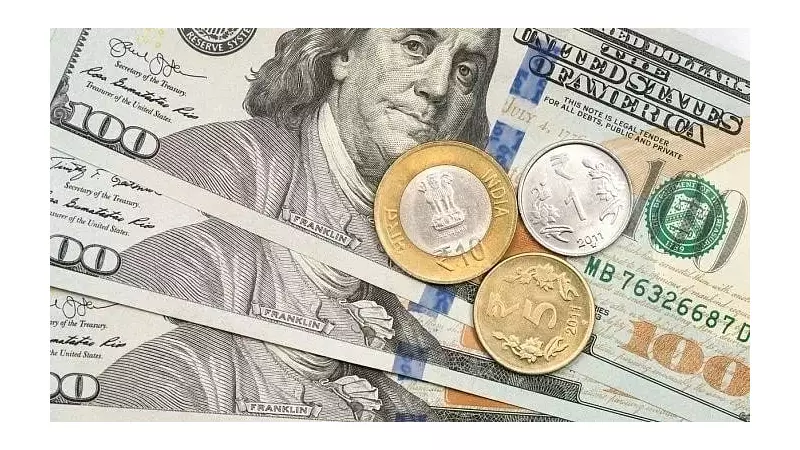
The Indian rupee has experienced a significant depreciation, reaching a concerning level of 92 against the US dollar, creating a ripple effect across various sectors of the economy. This sharp decline in the local currency's value is having mixed consequences, with certain groups facing financial strain while others stand to gain from the weakened rupee.
Impact on Importers, Students, and Travelers
The slump in the rupee's value is particularly painful for importers, students pursuing education abroad, and international travelers. For importers, the cost of bringing goods into India has escalated substantially, as they need to pay more rupees for each dollar required to settle international transactions. This increase in import costs is likely to translate into higher prices for consumers on a wide range of products, from electronics to raw materials.
Students studying overseas are also feeling the pinch, as their tuition fees and living expenses in foreign currencies now demand a larger amount of rupees. Similarly, travelers planning international trips are facing steeper costs for flights, accommodation, and other expenses, making overseas vacations more expensive for Indian tourists.

Exporters Reap Benefits from Weaker Rupee
On the flip side, exporters are emerging as beneficiaries of the rupee's depreciation. A weaker rupee makes Indian goods and services more competitive in the global market, as they become cheaper for foreign buyers when priced in dollars. This could potentially boost export volumes and improve the trade balance, providing a silver lining for the economy amidst the currency turmoil.
Magnitude of the Depreciation
The local currency has witnessed a substantial decline, slumping by 202 paise, which translates to over 2 per cent, in the current month alone. Looking at the broader picture, the rupee had already plunged by 5 per cent in the year 2025. This persistent downward trend highlights the ongoing challenges faced by the Indian currency in the foreign exchange market.
Key Drivers Behind the Rupee's Fall
The primary factors contributing to the rupee's depreciation include unabated foreign fund outflows and the strength of the US dollar. Foreign investors pulling capital out of Indian markets have increased the demand for dollars, putting downward pressure on the rupee. Additionally, the robust performance of the US dollar against major global currencies has further exacerbated the rupee's weakness, making it less attractive in comparison.
As the rupee continues to hover around the 92 per dollar mark, stakeholders across the economy are closely monitoring the situation. The central bank and policymakers may need to consider interventions to stabilize the currency and mitigate the adverse effects on import-dependent sectors, while leveraging the advantages for exporters to support economic growth.






