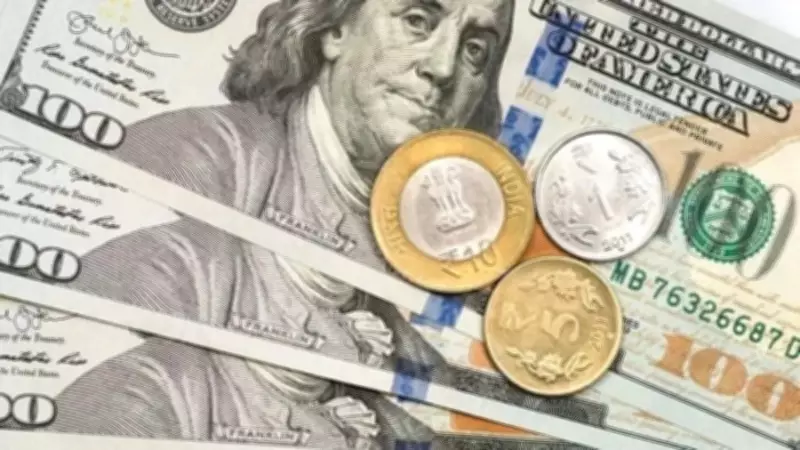
Indian Rupee Records Minor Decline Against US Dollar
The Indian rupee exhibited a slight downward movement in the foreign exchange market, settling at 90.92 against the US dollar, marking a decrease of 1 paisa. This marginal shift reflects ongoing volatility in global currency markets and domestic economic conditions.
Factors Influencing the Rupee's Performance
Several key elements contributed to the rupee's modest dip. Global market trends, including fluctuations in the US dollar index and international crude oil prices, played a significant role. Additionally, domestic economic indicators such as inflation rates and trade balances influenced investor sentiment and currency demand.
The forex market witnessed cautious trading as participants monitored developments in major economies and geopolitical events. The rupee's movement aligns with broader patterns in emerging market currencies, which often experience sensitivity to external shocks and capital flows.

Implications for the Indian Economy
A stable or slightly weaker rupee can have mixed effects on the economy:
- Export Competitiveness: A depreciated rupee makes Indian goods cheaper abroad, potentially boosting exports in sectors like IT services, textiles, and pharmaceuticals.
- Import Costs: Conversely, it increases the cost of imports, particularly for critical items such as crude oil and electronics, which may contribute to inflationary pressures.
- Foreign Investment: Currency stability is crucial for attracting foreign direct investment (FDI) and portfolio inflows, as volatility can deter international investors seeking predictable returns.
Market analysts emphasize that while a 1-paisa change is minimal, it underscores the rupee's vulnerability to external factors. The Reserve Bank of India (RBI) often intervenes to manage excessive volatility, using tools like foreign exchange reserves to stabilize the currency.
Outlook and Market Sentiment
Looking ahead, the rupee's trajectory will depend on multiple variables:
- US Federal Reserve Policies: Interest rate decisions and monetary tightening measures in the United States can impact dollar strength and, consequently, the rupee's value.
- Domestic Economic Growth: India's GDP performance, fiscal policies, and inflation management will influence currency stability and investor confidence.
- Global Geopolitical Events: Tensions in regions like the Middle East or trade disputes can trigger safe-haven flows into the dollar, affecting emerging market currencies like the rupee.
Experts advise monitoring these factors closely, as even small fluctuations can signal broader economic trends. The rupee's settlement at 90.92 highlights the delicate balance in forex markets, where minor adjustments reflect complex interplays of global and local dynamics.