

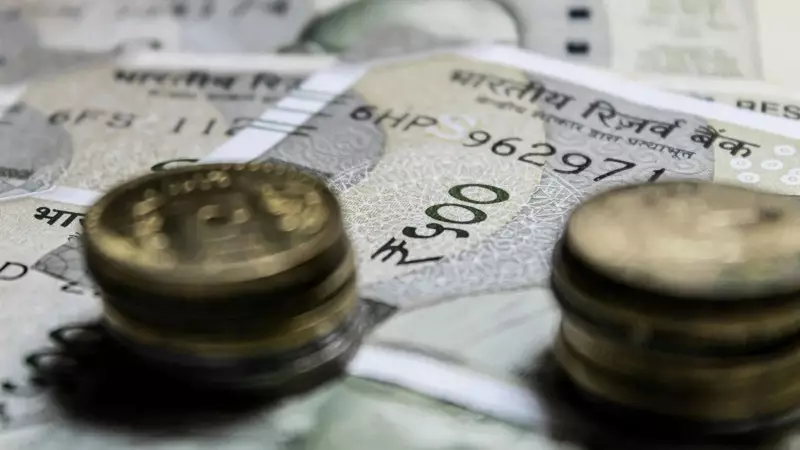
Indian Rupee Plunges to Historic Low Against US Dollar
The Indian rupee experienced a sharp decline on Thursday, falling by 72 paise to close at a fresh record low of 91.70 against the US dollar. This significant drop marks a concerning milestone for the currency, as it continues to face pressure from multiple global and domestic factors.
Key Drivers Behind the Rupee's Fall
Market analysts attribute the rupee's steep fall primarily to escalating geopolitical tensions in key regions, which have heightened risk aversion among investors. Additionally, ongoing uncertainty surrounding the India-US trade deal has further dampened sentiment, leading to increased demand for the safe-haven US dollar.
Geopolitical risks have been a major contributor, as conflicts and political instability abroad often prompt investors to shift funds to more stable assets like the US dollar. This flight to safety puts downward pressure on emerging market currencies, including the rupee.

Impact of Trade Deal Uncertainty
The lack of clarity on the India-US trade deal has added to the rupee's woes. Negotiations between the two nations have been protracted, with key issues remaining unresolved. This uncertainty has eroded confidence in the near-term prospects for India's export sector and economic growth, influencing currency markets.
Financial experts note that such volatility underscores the rupee's sensitivity to external shocks and trade-related developments. The combination of these factors has created a challenging environment for the currency, with potential implications for inflation and import costs in India.
Market Reactions and Future Outlook
In response to the rupee's decline, stock markets also showed signs of strain, reflecting broader economic concerns. Traders and investors are closely monitoring central bank interventions and policy measures that could stabilize the currency.
Looking ahead, the rupee's trajectory will likely depend on several variables:
- Resolution of geopolitical tensions
- Progress in India-US trade negotiations
- Domestic economic indicators and policy responses
- Global oil prices and their effect on India's trade deficit
While short-term volatility may persist, analysts emphasize the importance of structural reforms and robust economic fundamentals to support the rupee in the long run. The current situation highlights the interconnected nature of global markets and the need for strategic economic management.






