

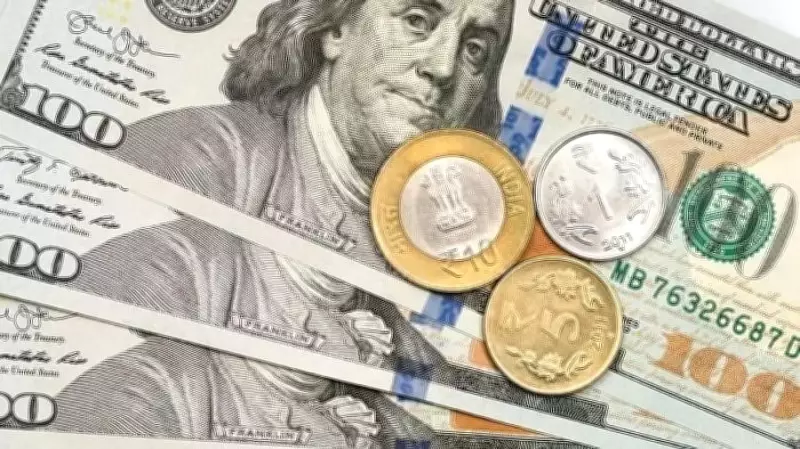
Indian Rupee Tumbles to All-Time Low Against US Dollar
The Indian rupee experienced a sharp and historic decline on March 27, 2026, reaching a record low of 94.56 against the US dollar during intra-day trading. This significant drop highlights mounting pressures in the foreign exchange market and reflects broader economic challenges.
Intra-Day Trading Sees Steep Decline
At the interbank foreign exchange, the rupee opened at 94.18 against the US dollar, already showing signs of weakness. However, as trading progressed, the currency continued to slide, ultimately hitting the unprecedented low of 94.56. This represents a substantial fall of 60 paise from its previous close, underscoring the volatility and bearish sentiment dominating the market.
The rupee's depreciation to this record level signals potential concerns for India's economic stability and trade dynamics. Analysts are closely monitoring the situation, as such movements can impact inflation, import costs, and foreign investment flows. The persistent strength of the US dollar, driven by global factors, has been a key contributor to the rupee's downward trajectory.

Market Reactions and Future Outlook
Market participants have expressed alarm over the rupee's rapid decline, with many attributing it to a combination of domestic and international economic pressures. The timing of this drop, coming amidst global uncertainties, raises questions about the resilience of emerging market currencies. Experts suggest that interventions by the Reserve Bank of India (RBI) might be necessary to stabilize the currency and prevent further erosion of value.
Looking ahead, the rupee's performance will likely depend on several factors:
- Global dollar strength and US monetary policy decisions
- India's trade deficit and export-import balance
- Domestic economic indicators and fiscal measures
- Investor sentiment and capital inflows
This historic low serves as a critical reminder of the interconnectedness of global financial markets and the need for robust economic policies to safeguard currency stability.






