

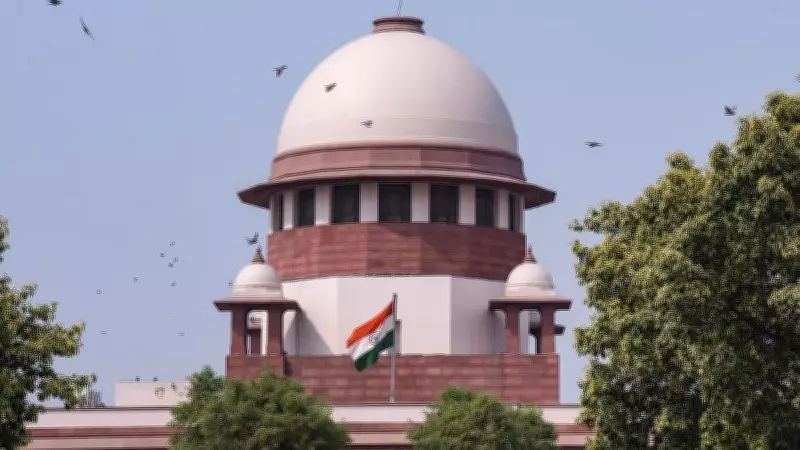
Supreme Court Bench Clarifies Position on Bank Fraud Declarations
In a significant ruling, the Supreme Court of India has determined that financial institutions are not legally required to conduct mandatory personal hearings for borrowers before officially declaring their accounts as fraudulent. This decision was delivered by a bench comprising Justices J B Pardiwala and K V Viswanathan, who provided detailed reasoning behind their judgment.
Rationale Behind the Court's Decision
The bench expressed a firm view that extending such an opportunity to recalcitrant borrowers—individuals who have utilized depositors' funds—could potentially lead to severe negative consequences. Specifically, the justices highlighted that providing advance notice through a personal hearing might enable these borrowers to dissipate assets, destroy crucial evidence, or even abscond from legal proceedings.
Such actions, the court noted, would result in enormous prejudice to the public interest, as they could hinder recovery efforts and compromise the financial system's integrity. The ruling underscores the balance between borrower rights and the broader need to protect depositor money and maintain trust in banking operations.

Implications for Banking and Legal Frameworks
This judgment is expected to have far-reaching effects on how banks handle cases of suspected fraud. Financial institutions may now proceed with declaring accounts as fraudulent without the procedural step of a personal hearing, streamlining the process and potentially accelerating actions against defaulters.
However, the decision also raises questions about due process and the rights of borrowers accused of misconduct. Legal experts anticipate that this ruling could influence future cases and regulatory guidelines, emphasizing the court's priority on safeguarding public funds over individual procedural entitlements in such scenarios.
The ruling was reported on April 7, 2026, and has since sparked discussions within the banking sector and legal community regarding its practical applications and ethical considerations.






