

CBI Uncovers Rs 292 Crore Scam Involving Singla Siblings and Banks
The Central Bureau of Investigation (CBI) has made a significant breakthrough in a high-profile financial fraud case, revealing that the Singla siblings allegedly received a staggering sum of Rs 292 crore in connection with scams involving IDFC First Bank and AU Small Finance Bank. This investigation sheds light on deep-seated irregularities and potential collusion within the banking sector, raising serious concerns about oversight and compliance mechanisms.
Details of the Financial Fraud
According to the CBI's findings, the Singla siblings were beneficiaries of illicit funds transferred through fraudulent schemes orchestrated at IDFC First Bank and AU Small Finance Bank. The scam involved sophisticated methods to siphon off substantial amounts, exploiting loopholes in banking protocols. The agency has been meticulously piecing together evidence, including financial transactions and digital records, to build a robust case against the accused parties.
The magnitude of this fraud underscores vulnerabilities in India's financial infrastructure, prompting calls for stricter regulatory frameworks. Authorities suspect that the scam may have involved multiple layers of deception, including falsified documents and unauthorized transactions, which facilitated the illegal flow of funds to the Singla siblings.

Implications for the Banking Industry
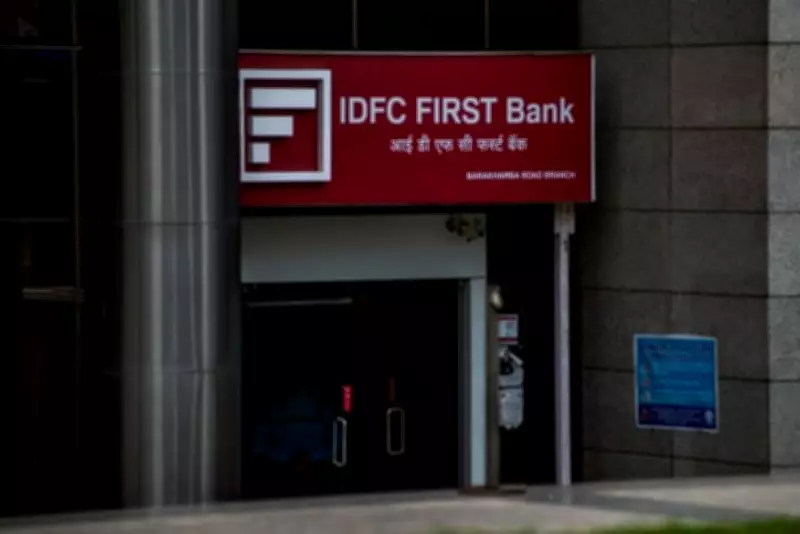
This case has sent shockwaves through the banking community, as it implicates two prominent financial institutions: IDFC First Bank and AU Small Finance Bank. The involvement of these banks in such a large-scale scam raises questions about their internal controls and risk management practices. Industry experts warn that such incidents could erode public trust and necessitate comprehensive audits across the sector.
- IDFC First Bank: Known for its retail and corporate banking services, the bank now faces scrutiny over its role in the scam. Preliminary reports suggest that certain employees may have been complicit in the fraud.
- AU Small Finance Bank: As a key player in small finance, the bank's association with this case highlights potential risks in niche banking segments that require enhanced vigilance.
The CBI is expected to expand its probe to identify other individuals and entities involved, with a focus on recovering the misappropriated funds. Legal proceedings are anticipated to unfold in the coming months, as the agency works to bring the perpetrators to justice.
Broader Context and Regulatory Response
This scam is part of a larger pattern of financial frauds that have plagued India's banking system in recent years. It underscores the urgent need for stronger enforcement of anti-fraud measures and greater transparency in financial operations. Regulatory bodies like the Reserve Bank of India (RBI) may step in to review guidelines and impose stricter penalties to deter future misconduct.
- Enhanced Monitoring: Banks are likely to implement more rigorous transaction monitoring systems to detect anomalies early.
- Collaborative Efforts: There is a growing emphasis on coordination between law enforcement agencies and financial institutions to combat fraud effectively.
- Public Awareness: Educating customers about safe banking practices can help prevent similar scams in the future.
As the investigation progresses, stakeholders are closely watching for developments that could reshape banking regulations and restore confidence in the financial sector. The Singla siblings' case serves as a stark reminder of the challenges in safeguarding economic integrity against sophisticated fraud schemes.






