

Finance Minister Issues Stern Warning to Banks Over Insurance Mis-Selling Practices
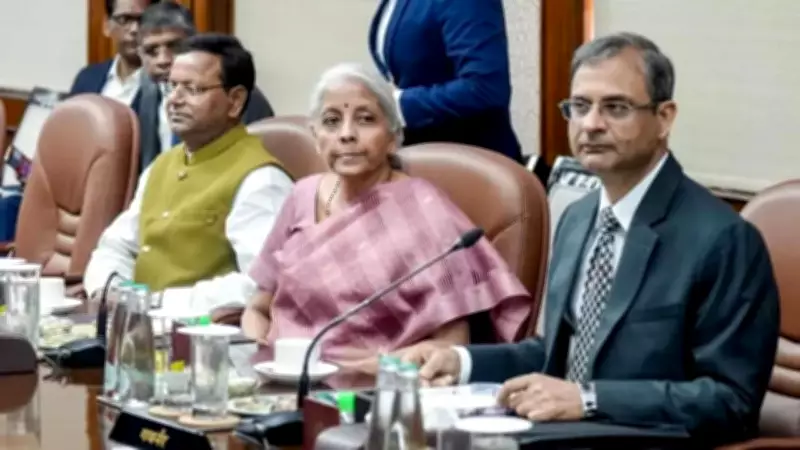
In a strongly worded address, Finance Minister Nirmala Sitharaman delivered a clear message to banking institutions across India, emphasizing the critical importance of focusing on core banking activities while condemning the widespread practice of mis-selling insurance products to customers. The minister's remarks came during her interaction with the Reserve Bank of India's board on Monday, where she highlighted growing concerns about banking priorities and customer protection.
RBI's Upcoming Guidelines to Combat Mis-Selling
Sitharaman expressed strong support for the Reserve Bank of India's forthcoming guidance that will explicitly prohibit mis-selling practices in the banking sector. "I am glad that RBI is coming up with guidance on why mis-selling will not be entertained," the finance minister stated unequivocally. She emphasized that the message must be clearly communicated to all banking institutions that they "cannot afford to mis-sell" financial products to their customers.
The minister noted that the term "mis-sell" has unfortunately become normalized in banking lexicon, but stressed that this practice represents a serious offense against consumers who trust financial institutions with their hard-earned money. This warning comes amid thousands of complaints from bank customers who have reported being pressured into purchasing insurance products they neither needed nor fully understood, often based on misleading projections and promises.

New Regulatory Framework Effective from July
The Reserve Bank of India has proposed comprehensive new norms scheduled to take effect from July, which will establish stronger consumer protection mechanisms. Under these regulations, banks found guilty of mis-selling insurance products will be required to:
- Refund the entire amount paid by the customer for the purchased product or service
- Provide appropriate compensation for any financial losses incurred by customers due to mis-selling practices
- Adhere to approved policies governing fair selling practices and customer assessment
This regulatory framework represents a significant shift toward greater accountability in the banking sector's sales practices.
Core Banking Must Remain the Primary Focus
Sitharaman expressed particular concern about banks diverting excessive attention and resources toward selling insurance products at the expense of their fundamental banking responsibilities. "My pet peeve has been that you do your core banking business, you are spending more time on selling insurance, where it is not required, perhaps," she remarked during her address.
The finance minister questioned the logic behind pushing additional insurance products on customers who already have adequate coverage through life, health, and property insurance policies. She urged banking institutions to prioritize proper assessment of customer requirements rather than pursuing aggressive sales targets for insurance products that may not serve customers' best interests.
Addressing Regulatory Gaps in Financial Oversight
Sitharaman also highlighted historical regulatory gaps that may have contributed to the proliferation of mis-selling practices. She pointed out that previously, insurance regulators often hesitated to intervene when banks were involved in selling insurance products, while the Reserve Bank of India sometimes refrained from action because insurance fell outside its traditional regulatory purview. This regulatory vacuum created opportunities for questionable sales practices to develop without adequate oversight.
Government Monitoring Gold Import Trends
During the same briefing, Sitharaman addressed concerns about India's gold imports, assuring stakeholders that both the government and RBI are closely monitoring the situation without finding any alarming developments. She attributed the increase in import values primarily to rising gold prices in international markets, which have been influenced by substantial purchases from central banks worldwide.

Between April and December of last year, India's gold imports in value terms increased by approximately $1 billion annually, reaching a total of $50 billion. The finance minister noted that gold has traditionally been a preferred investment for Indian households, whether as a financial asset or for jewelry purposes, explaining why India remains a net importer of the precious metal to meet domestic demand.
RBI Governor Provides Economic Context
RBI Governor Sanjay Malhotra provided additional context during the briefing, explaining that during the April-December 2025 period, the increase in gold prices was largely offset by decreased import volumes. "It's only in January, we are still analyzing those numbers, that there has been a sudden spurt in value as well as in volume," Malhotra noted, adding that gold demand typically experiences seasonal fluctuations that must be considered when evaluating import trends.
The RBI governor emphasized that India's external sector remains strong and resilient, with no immediate cause for undue concern about gold import patterns. He also addressed broader economic indicators, noting that Indian banks maintain strong capital positions and that the Monetary Policy Committee will make decisions regarding potential policy rate cuts based on evolving growth and inflation dynamics.
Banking Sector Stability and Liquidity Assurance
Governor Malhotra provided reassurance about the banking sector's overall health, stating that financial institutions remain well-capitalized and positioned to support economic growth. He addressed market concerns about liquidity conditions, affirming that the Reserve Bank of India will implement all necessary measures to ensure durable liquidity reaches all market segments effectively.
Regarding recent concerns about slower deposit growth in the banking system, Malhotra noted that there has been a noticeable pickup in deposit mobilization, indicating improving conditions in this crucial area of banking operations. This comprehensive briefing from both the finance minister and RBI governor underscores the government's commitment to maintaining financial stability while protecting consumer interests in an evolving economic landscape.





