

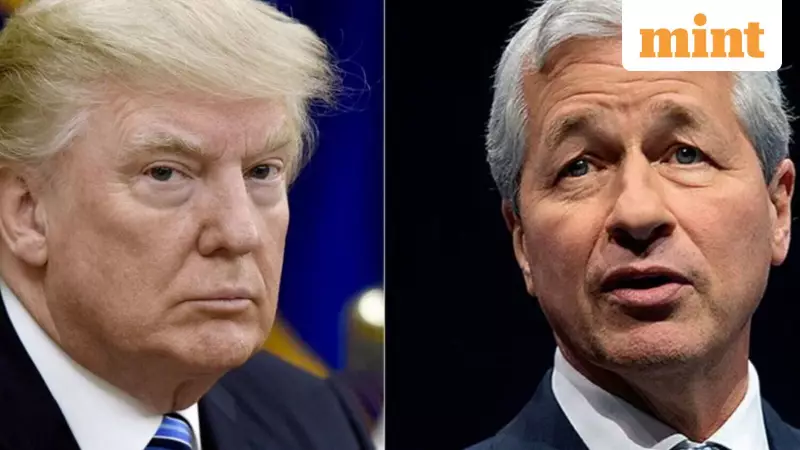
Trump Files Massive $5 Billion Lawsuit Against JPMorgan Chase Over Alleged Political Discrimination
Former United States President Donald Trump has initiated a major legal battle against one of America's largest financial institutions, filing a lawsuit seeking at least $5 billion in damages from JPMorgan Chase & Co. and its Chief Executive Officer Jamie Dimon. The legal action, filed in Miami-Dade County state court on Thursday, January 22, represents a significant escalation in Trump's ongoing campaign against what he describes as the "weaponization" of the banking sector against conservative voices and businesses.
Core Allegations: Political Bias in Banking Services
According to the detailed complaint obtained by Bloomberg News, Trump's legal team alleges that JPMorgan Chase systematically refused to provide essential banking services to both the former president and his extensive business empire for purely political reasons. The lawsuit specifically cites violations of Florida's comprehensive consumer protection statutes, including claims of:
- Trade libel through damaging statements about Trump's businesses
- Breach of the implied covenant of good faith and fair dealing in banking relationships
- Violation of Florida's Deceptive and Unfair Trade Practices Act by CEO Jamie Dimon
The legal documents argue that JPMorgan's actions constitute a clear violation of Florida law, which explicitly prohibits financial institutions from terminating accounts or denying services based on an individual's political beliefs, speech, or affiliations. This legal framework has become increasingly relevant as debates about financial inclusion and political discrimination intensify nationwide.

The Broader Context: Debanking as a National Concern
Trump's legal team framed the lawsuit as addressing a matter of significant public importance affecting all American consumers and businesses. The complaint states: "Debanking is a matter of public interest and significant importance to all consumers and businesses in the United States of America — and JPMC, especially given its storied and leading history, is a central actor in this ongoing and troubling saga."
This legal action forms part of Trump's broader political and legal strategy against financial institutions he accuses of engaging in ideologically motivated discrimination. The former president has repeatedly claimed that certain banks have weaponized their services against conservative individuals and organizations, creating what he describes as a "two-tiered financial system" based on political alignment rather than financial merit.
JPMorgan's Response: Denial of Political Motivations
JPMorgan Chase has responded forcefully to the allegations, categorically denying that political or religious considerations influenced any decisions regarding Trump's accounts. In an official statement, the banking giant explained: "We do close accounts because they create legal or regulatory risk for the company. We regret having to do so but often rules and regulatory expectations lead us to do so."
The bank further clarified its position by stating: "We have been asking both this Administration and prior administrations to change the rules and regulations that put us in this position, and we support the Administration's efforts to prevent the weaponization of the banking sector." This response suggests that JPMorgan views its actions as compliance-driven rather than politically motivated, highlighting the complex regulatory environment in which major financial institutions operate.
Legal Precedents and Florida's Protective Framework
The lawsuit heavily relies on Florida's unique legal protections against political discrimination in banking. The state's statutes represent some of the strongest consumer protections in the nation regarding financial services access. Trump's legal team emphasized that Florida law creates specific obligations for financial institutions, making it illegal to terminate banking relationships based solely on:

- Political opinions or expressions
- Protected speech activities
- Lawful political affiliations or memberships
This legal foundation provides Trump's case with potentially significant leverage, as violations of these statutes can result in substantial penalties beyond standard breach of contract claims. The Miami-Dade County venue selection appears strategically calculated to maximize the application of these Florida-specific protections.
Broader Implications for Financial Services Industry
The lawsuit arrives at a time of heightened scrutiny regarding financial inclusion and access across the United States. As digital banking becomes increasingly dominant, questions about who controls access to essential financial services and on what basis have moved to the forefront of political and legal debates. This case could establish important precedents regarding:
- The boundaries between legitimate risk management and unlawful discrimination
- The application of state consumer protection laws to national banking operations
- The responsibilities of financial institutions in politically polarized environments
With both sides preparing for what promises to be a protracted legal battle, the outcome could reshape how banks approach account management decisions and what constitutes acceptable grounds for denying or terminating services. The $5 billion damages claim represents one of the largest individual lawsuits against a financial institution in recent memory, ensuring intense media scrutiny and potentially significant financial consequences regardless of the final verdict.





