

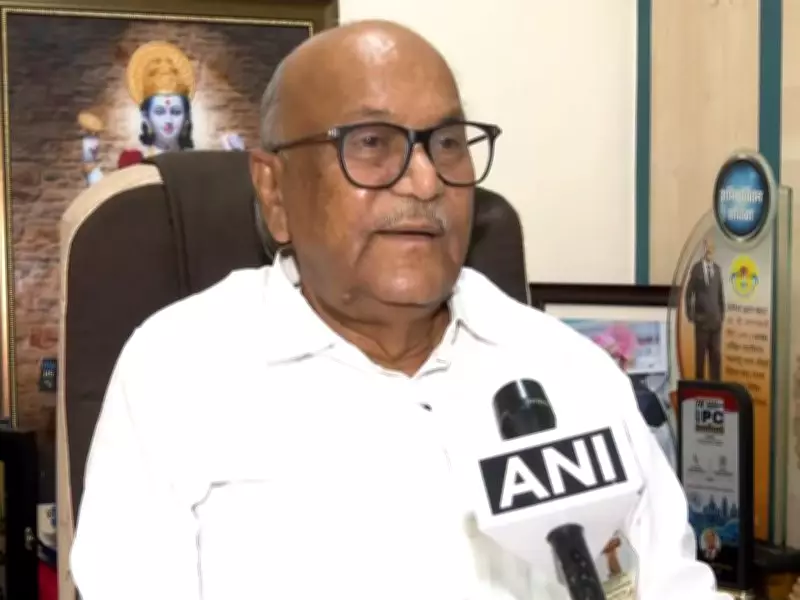
Amid a nationwide strike call by medicine sellers today, the All India Organisation of Chemists and Druggists (AIOCD) chief, Shinde, has demanded a halt to the online sale of medicines. The strike, which has disrupted medicine supplies across the country, is aimed at protesting against the growing trend of e-pharmacies and the lack of regulation in the sector.
AIOCD's Demand for Regulation
Shinde emphasized that the online sale of medicines poses serious risks to patient safety, as it bypasses traditional checks and balances. He argued that without proper verification, patients may receive counterfeit or expired drugs. The AIOCD has been advocating for strict regulations to ensure that only licensed pharmacies can sell medicines online.
Impact of the Strike
The strike has led to the closure of thousands of medical stores across the nation, causing inconvenience to patients, especially those with chronic conditions. Many patients have reported difficulties in accessing essential medications. The AIOCD claims that the strike is a peaceful protest to draw the government's attention to their concerns.

In a statement, Shinde said, "We are not against technology, but the safety of patients is paramount. The online sale of medicines must be regulated to prevent misuse and ensure that only genuine drugs reach consumers." He further urged the government to implement a robust system to monitor e-pharmacies and penalize those violating norms.
Government's Response
The government has yet to respond formally to the demands. However, sources indicate that the Ministry of Health is considering a draft policy to regulate online pharmacies. The draft includes provisions for mandatory registration, verification of prescriptions, and strict penalties for non-compliance.
The strike has also sparked a debate among stakeholders. While some support the AIOCD's call for regulation, others argue that e-pharmacies offer convenience and lower prices. Patient advocacy groups have expressed concern over the disruption of medicine supplies, urging both parties to find a middle ground.
Way Forward
As negotiations continue, the AIOCD has indicated that they are open to dialogue with the government and e-pharmacy companies. The organization has called for a comprehensive policy that balances safety with accessibility. Meanwhile, patients are advised to stock essential medicines and consult their doctors for alternative options if needed.
The AIOCD chief reiterated that the strike is a last resort and that the organization hopes for a swift resolution. "We are committed to the welfare of patients and the integrity of the pharmaceutical sector. We urge the government to act swiftly," Shinde concluded.






