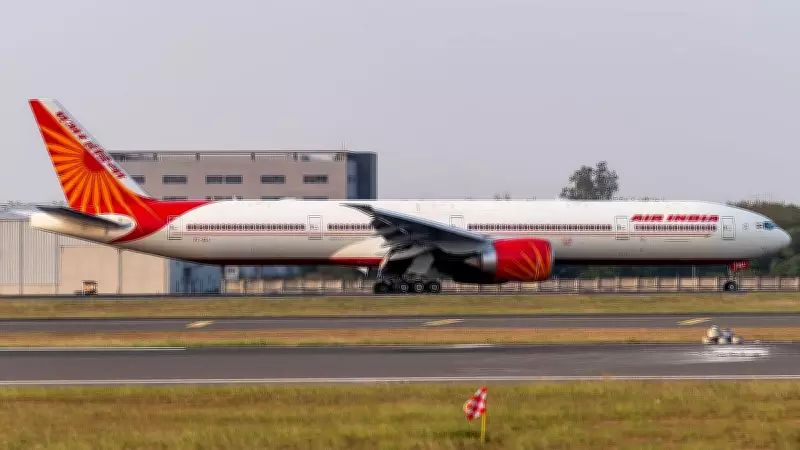
Air India Reduces Fuel Surcharges on International Routes
Air India has announced a reduction in fuel surcharges for flights to North America and Europe, effective immediately. The move reverses the surcharge hike implemented on April 7, which was prompted by soaring oil and jet fuel prices linked to the West Asia conflict. The airline cited improved fuel cost conditions and operational efficiencies as key factors behind the decision.
According to an Air India spokesperson, the revised surcharges will lower ticket prices for passengers traveling on long-haul routes. The exact reduction varies by destination and booking class, but airline officials confirmed it reflects a significant decrease in fuel expenses. This adjustment aims to make air travel more affordable while maintaining service quality.
Background of the Surcharge Hike
On April 7, Air India introduced higher fuel surcharges due to a spike in crude oil and jet fuel prices, exacerbated by geopolitical tensions in the West Asia region. The conflict disrupted supply chains and led to airspace restrictions, increasing operational costs for airlines. The surcharge was applied to all flights to North America and Europe, impacting both economy and premium cabins.

Industry analysts noted that the April hike was a necessary measure to offset rising expenses, as fuel accounts for a substantial portion of an airline's operating budget. At the time, Air India stated that the surcharge would remain in place until market conditions stabilized.
Impact on Passengers and Airline Operations
The reduction in fuel surcharges is expected to benefit travelers, particularly those booking tickets for the upcoming holiday season. Lower fares could stimulate demand on popular routes to cities like New York, London, and Toronto. Frequent flyer programs and corporate travel accounts may also see adjustments in pricing structures.
From an operational standpoint, Air India has benefited from easing fuel prices and improved route efficiency. The airline has optimized flight paths and reduced fuel consumption through modernized aircraft. These measures, combined with the surcharge cut, could enhance Air India's competitive position against rivals such as United Airlines and British Airways.
Industry Context and Future Outlook
The aviation industry has been grappling with volatile fuel costs since early 2025. While the West Asia conflict initially drove prices up, recent diplomatic efforts have led to a partial stabilization of oil markets. Jet fuel prices have dropped by approximately 12% since April, according to data from the International Air Transport Association (IATA).
Air India's decision aligns with broader industry trends, as several carriers have adjusted surcharges in response to changing fuel markets. However, analysts caution that further geopolitical developments could prompt renewed cost pressures. The airline remains committed to monitoring fuel prices and adjusting surcharges as needed to balance affordability and financial sustainability.