

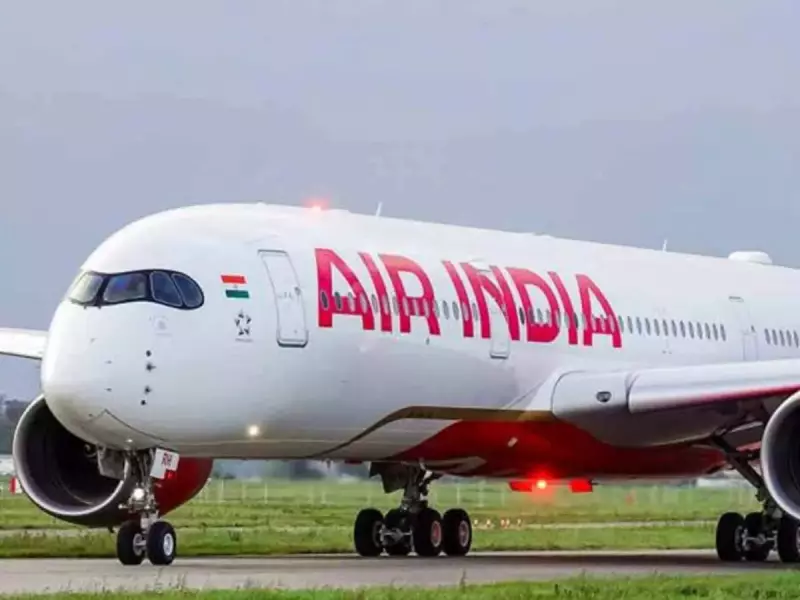
In a serious safety violation, Air India operated an Airbus A320 aircraft on multiple commercial flights despite its airworthiness certificate having expired, putting passengers at risk. The national carrier, now owned by the Tata group, has suspended the responsible officials and faces a stringent investigation by the aviation regulator.
A Critical Safety Oversight
The incident came to light only after an engineer detected the lapse, leading to the immediate grounding of the 164-seater aircraft. The flights in question were operated between November 24 and 25, according to sources. The aircraft's Certificate of Airworthiness, a mandatory document renewed annually by the Directorate General of Civil Aviation (DGCA), had lapsed, rendering the plane legally unsuitable for flying.
Operating an aircraft without this valid document is considered a grave offence in aviation. A senior government official stated that Air India could face heavy penalties, and the suspension of top officials is also on the table. This lapse is particularly damaging as it follows the airline's efforts to rebuild passenger trust after the tragic Dreamliner crash on June 12, which resulted in 260 fatalities.

Systemic Failures and Regulatory Scrutiny
The fact that the aircraft completed eight revenue flights with an expired licence has raised alarming questions about Air India's internal safety protocols. Senior engineers point out that modern software systems are designed to flag such scheduled tasks, making this oversight difficult to comprehend.
The DGCA is expected to classify this as a Level 1 violation, denoting a critical lapse directly affecting flight safety. An inspector highlighted that airlines typically begin the renewal process at least three months in advance. "That the plane flew eight times with an expired licence raises a lot of questions about Air India’s safety culture," the inspector remarked.
Broader Implications and Ongoing Challenges
This incident is not isolated. It adds to a series of operational issues plaguing the airline. Earlier, show-cause notices were issued to senior management, including CEO Campbell Wilson, after discoveries of aircraft components exceeding their approved life span. Prior to that, the regulator had suspended the head of the engineering quality department.
The chain of events underscores the persistent struggles in revamping the airline's image and operations nearly four years after its privatisation. The situation could also complicate matters with aircraft lessors, as flying without a valid licence can potentially invalidate insurance coverage.
In a bid to strengthen its engineering oversight, Air India is collaborating with Singapore Airlines (SIA), which holds a 25.1% stake. Jeremy Yew, SVP of Singapore Airlines Engineering Services, has been deputed to Air India, with more experts from SIA expected to join the team.






