

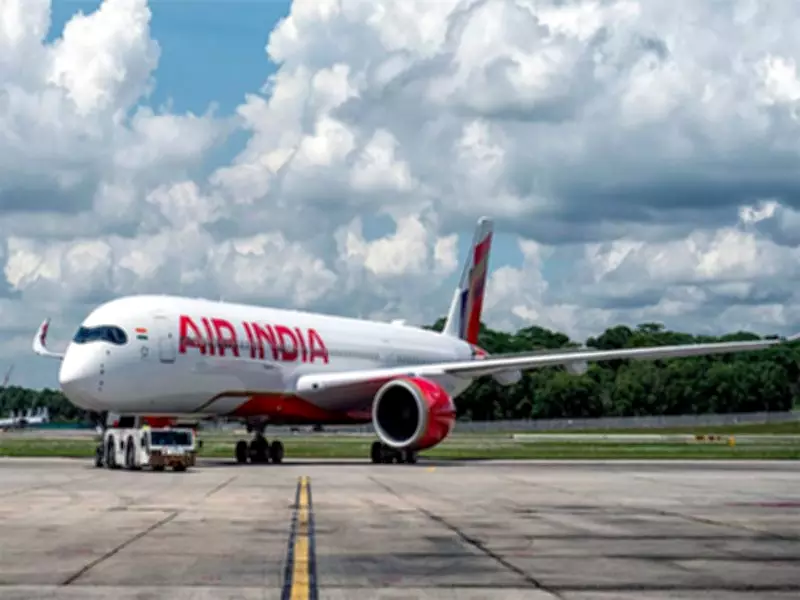
Air India Announces Fuel Surcharge Revision and CEO Departure Amid Industry Challenges
In a significant development for the aviation sector, Air India has officially revised its fuel surcharge in response to a sharp and sustained spike in jet fuel prices. This move comes as the airline grapples with escalating operational costs that have impacted profitability across the industry. Concurrently, the company has confirmed that CEO Campbell Wilson will step down from his position, marking a pivotal leadership transition at a critical juncture for the carrier.
Fuel Surcharge Adjustment Driven by Market Volatility
The revision in fuel surcharge is a direct consequence of the recent surge in aviation turbine fuel (ATF) prices, which have risen substantially over the past few months. Industry analysts note that this increase is attributed to global geopolitical tensions, supply chain disruptions, and fluctuating crude oil markets. Air India's decision to adjust the surcharge aims to mitigate the financial strain caused by these external factors, ensuring the airline can maintain its service standards without compromising on safety or reliability.
This surcharge revision will affect various fare categories, potentially leading to higher ticket prices for passengers. However, the airline emphasizes that the adjustment is necessary to offset the rising fuel expenses, which constitute a significant portion of operational costs. Passengers are advised to check updated fare structures when booking flights, as the surcharge may vary based on route and travel class.

Leadership Transition with CEO Campbell Wilson's Resignation
In a parallel announcement, Air India revealed that CEO Campbell Wilson will be stepping down from his role. Wilson, who has led the airline through a period of transformation and restructuring, cited personal reasons for his departure. His tenure has been marked by efforts to modernize the fleet, enhance customer experience, and streamline operations amid competitive pressures.
The resignation comes at a time when Air India is navigating complex challenges, including the fuel price surge and broader industry recovery post-pandemic. The board of directors has initiated a search for a successor, with interim leadership expected to ensure continuity in strategic initiatives. Wilson's exit is seen as a moment of reflection for the airline, which is owned by the Tata Group and has been undergoing significant changes since its privatization.
Implications for the Aviation Industry and Passengers
The dual announcements highlight the ongoing turbulence in the aviation sector, where airlines worldwide are contending with volatile fuel costs and leadership uncertainties. For Air India, the fuel surcharge revision is a tactical response to immediate financial pressures, while the CEO change signals a potential shift in long-term strategy. Industry experts suggest that these developments could influence competitor pricing and operational models, as other carriers may follow suit with similar adjustments.
Passengers should anticipate:
- Increased ticket prices due to the revised fuel surcharge, especially on long-haul and international routes.
- Potential changes in service offerings or loyalty programs as the new leadership takes charge.
- Continued monitoring of jet fuel prices, which may lead to further surcharge revisions if market conditions persist.
As Air India moves forward, stakeholders will be closely watching how the airline balances cost management with growth ambitions in a dynamic global environment.






