

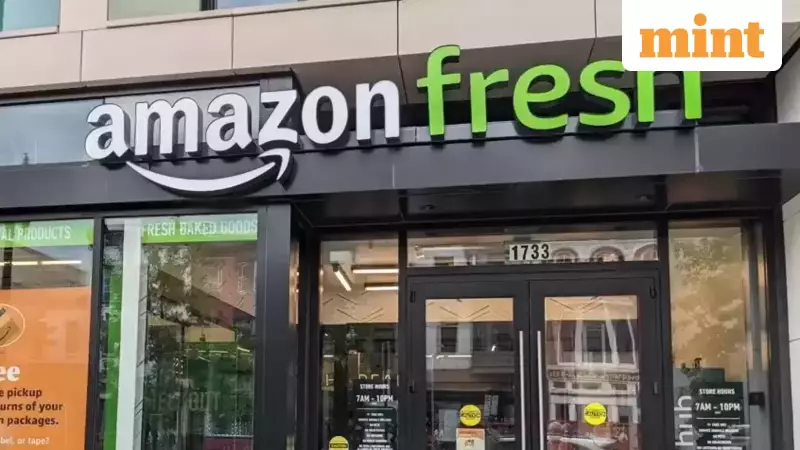
Amazon Announces Major Shift in Grocery Strategy
In a significant strategic move, Amazon has declared it will be closing all of its Amazon Go and Amazon Fresh physical store locations. The Seattle-based online retail giant made this announcement through an official blog post on Tuesday, signaling a major pivot in its grocery retail approach.
Store Closures and Transition Plans
The company currently operates 57 Amazon Fresh stores and 15 Amazon Go stores across the United States. These locations will cease operations on February 1, with the exception of California stores that will remain open longer to comply with state regulatory requirements.
Amazon revealed plans to convert some of the soon-to-be-shuttered locations into Whole Foods Market stores, marking an interesting transition for these retail spaces. This move comes as Amazon focuses its physical grocery presence primarily on the Whole Foods brand it acquired in 2017.

Strategic Reasoning Behind the Decision
In its official statement, Amazon explained the rationale behind this strategic shift: "While we've seen encouraging signals in our Amazon-branded physical grocery stores, we haven't yet created a truly distinctive customer experience with the right economic model needed for large-scale expansion."
The company emphasized that despite positive indicators from their Amazon-branded stores, they haven't achieved the breakthrough combination of unique customer experience and sustainable economics necessary for widespread growth in the physical grocery space.
Whole Foods Market Expansion Plans
Since acquiring Whole Foods Market in 2017, Amazon has witnessed remarkable growth with the brand, reporting more than 40% sales growth and expansion to over 550 locations. Building on this success, Amazon now plans to open more than 100 new Whole Foods Market stores over the coming years.
Enhanced Grocery Delivery Services
Amazon highlighted that customers can continue to shop Amazon Fresh online in available areas for what they describe as "fast and convenient delivery." The company noted that shoppers are increasingly turning to online delivery for everyday essentials and fresh food.
Currently, Amazon delivers groceries to 5,000 U.S. cities and towns, with thousands of locations benefiting from same-day delivery services. Based on positive customer feedback, Amazon plans to expand its same-day delivery service of fresh groceries to additional areas throughout this year.
New Physical Store Concepts in Development
Despite the closure of existing Amazon-branded grocery stores, the company remains committed to experimenting with new physical store formats. Amazon revealed plans to open a "new supercenter" physical retail concept designed to offer customers a broad selection across fresh groceries, household essentials, and general merchandise.
Additionally, Amazon is testing a new in-store format called Amazon Grocery, which it launched alongside Whole Foods Market in Chicago. This concept, currently operating at Whole Foods Market in Plymouth Meeting, Pennsylvania, allows customers to shop for groceries and household essentials from Amazon within the Whole Foods environment.
Technological Legacy and Future Applications
Amazon opened its first Amazon Go concept in 2018 in Seattle, introducing revolutionary "just walk out" technology that allowed shoppers to take items off shelves and leave without traditional checkout processes. The company described its Amazon Go locations as "innovation hubs" where this technology was developed.
This checkout solution now operates in more than 360 third-party locations across five countries. Amazon is expanding this technology to its own operations, with more than 40 North American fulfillment centers currently using it in breakrooms, and more planned for 2026 implementation.
Amazon introduced its first Amazon Fresh physical store in 2020, featuring an assortment of national brands alongside fresh produce, meat, and seafood. The company stated that it has gathered valuable insights from these physical store experiments that will inform future retail innovations.

This strategic realignment represents Amazon's latest effort to optimize its grocery retail presence, balancing physical stores with rapidly expanding delivery services while continuing to innovate in retail technology and customer experience.





