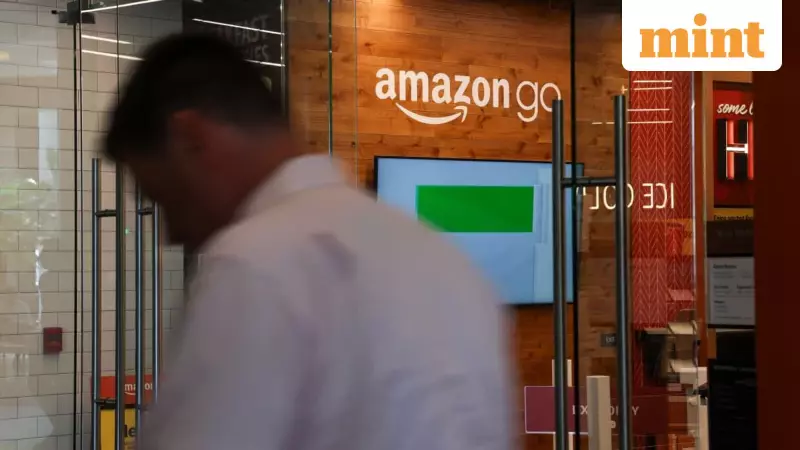
In a significant strategic pivot, global e-commerce giant Amazon is turning over a new leaf in its physical retail operations, shifting focus from brick-and-mortar stores to same-day grocery delivery services. The company announced the closure of dozens of Amazon Fresh and Amazon Go outlets, marking a decisive move to enhance its online grocery delivery capabilities and bolster its Whole Foods Market presence.
A Strategic Shift Away from Physical Stores
Amazon revealed in a recent blog post that it will be closing numerous Amazon Fresh physical stores and automated Amazon Go locations. This decision comes as the company acknowledges that while it has gained valuable insights from these ventures, it has not yet established a distinctive customer experience with an economic model suitable for large-scale expansion. The e-commerce retailer emphasized that it has observed encouraging signals but requires a more focused approach to compete effectively in the grocery market.
Focus on Same-Day Delivery and Whole Foods Expansion
The renewed emphasis will be on expanding same-day grocery deliveries to more locations and integrating operations with Whole Foods Market. Amazon plans to convert some of the closed store locations into Whole Foods stores, as part of an ambitious initiative to open over 100 new Whole Foods Market outlets in the coming years. This move is seen as a direct effort to strengthen its foothold in the competitive grocery sector.

Amazon highlighted that sales of perishable groceries through its same-day delivery service have grown an impressive 40 times since January 2025. Fresh groceries now constitute nine of the top ten most-ordered items in markets where same-day delivery of perishables is available. The company assures customers that they will continue to have access to a wide range of products, including produce, dairy, meat, baked goods, frozen foods, electronics, and household items, all delivered within hours.
Market Impact and Competitive Landscape
Amazon's stock responded positively to the announcement, rising 2% to approximately $243 in early afternoon trading, while the S&P 500 saw a 0.5% increase. Over the past year, Amazon's stock has gained about 2.2%, with a 5.5% rise this year. In contrast, competitors like Walmart and Instacart experienced declines, with Walmart's stock down 0.5% and Instacart nearly 6% lower in afternoon trading.
Analysts from Mizuho, led by David Bellinger, noted that developing a larger fulfillment network could help Amazon increase its grocery market share from an estimated 3% to the mid-single digits over the next two to three years. However, they pointed out that grocery rivals such as Kroger hold about 8.5% market share, Costco 8.4%, and Publix 4.1%. To truly challenge Walmart's dominant 20% share, Mizuho analysts suggest that Amazon will need a more disruptive strategy.
Innovative Technologies and Future Plans
Amazon's "Just Walk Out" technology, initially developed for Amazon Go stores, has been described as transformative. This automated grab-and-go format is currently operational in 360 third-party locations, including hospitals and sports arenas. Amazon is expanding this technology internally to breakrooms at over 40 fulfillment centers in North America, with plans for further implementation this year to help employees maximize their break time.
Additionally, Amazon is testing new retail formats, such as a supercenter concept in suburban Chicago that will offer groceries, household products, and general merchandise. This initiative is seen as a direct competitive move against Walmart. According to Mizuho, Amazon operated about 60 Amazon Fresh stores and 15 Amazon Go locations prior to the closures.
Challenges and Opportunities Ahead
The shift towards online-driven delivery presents both challenges and opportunities for Amazon. Mizuho analysts described it as a heavy lift and a massive structural limitation compared to Walmart's extensive network of over 4,000 stores. Despite this, Amazon remains confident in its strategy, positioning itself as one of the top three grocers in the U.S., with over $150 billion in gross sales and more than 150 million customers shopping for groceries annually.

As part of the Whole Foods expansion, five new locations will feature smaller-format Whole Foods Market Daily Shops, offering prepared meals, coffee, and everyday items. Amazon acquired Whole Foods in 2017 and has since expanded it to more than 550 locations, underscoring its commitment to the grocery sector.
Amazon is set to report its fourth-quarter and 2025 financial results on February 5, which will provide further insights into the impact of this strategic shift. The company's move reflects a broader trend in retail towards digital transformation and customer-centric delivery services, as it seeks to carve out a larger share of the lucrative grocery market.