Vedanta Chairman Voices Concern Over India's Economic Burden from Global Conflicts
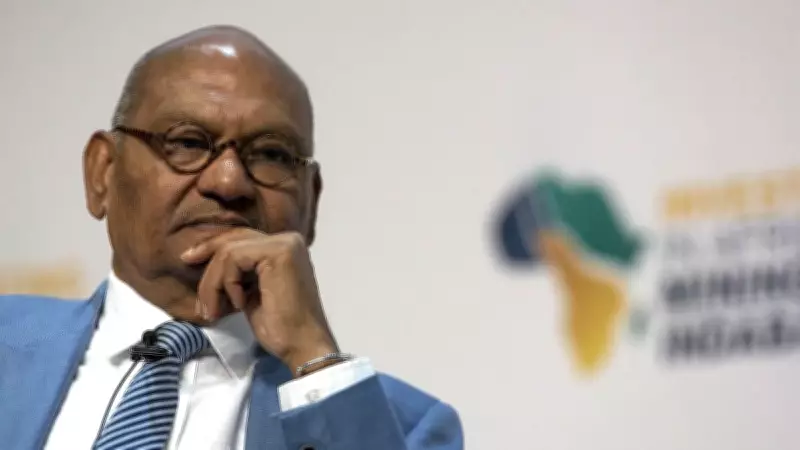
Anil Agarwal, the Chairman of Vedanta Resources, has publicly expressed deep concern regarding the adverse economic consequences India is facing due to ongoing global wars, despite the nation maintaining a neutral position. In a recent statement, Agarwal highlighted the painful reality that India is suffering significant impacts from conflicts it has no direct involvement in, particularly affecting critical sectors like oil imports.
Neutral Stance Yet Significant Repercussions
Agarwal emphasized that India has consistently adopted a neutral stance in international conflicts, striving to avoid entanglement in geopolitical disputes. However, he pointed out that this neutrality has not shielded the country from the economic fallout. The global turmoil, especially in regions key to oil production, has led to volatile crude oil prices and supply chain disruptions, directly impacting India's energy security and import costs.
The ripple effects are felt across the Indian economy, with rising fuel prices contributing to inflation and putting pressure on both consumers and businesses. Agarwal noted that this situation underscores the interconnected nature of the global economy, where distant conflicts can have immediate and severe consequences for nations like India, which rely heavily on imported oil to meet domestic energy demands.

Impact on Oil Imports and Broader Economic Stability
India, as one of the world's largest importers of crude oil, is particularly vulnerable to fluctuations in the global oil market. Agarwal detailed how the wars have exacerbated existing challenges, leading to increased import bills and straining the country's trade balance. This, in turn, affects currency stability and overall economic growth, creating a complex web of issues that policymakers must navigate.
The situation calls for strategic measures to mitigate these external shocks, such as diversifying energy sources and enhancing domestic production capabilities. Agarwal suggested that while India cannot control global events, it can strengthen its economic resilience through proactive policies and investments in alternative energy sectors.
Call for Global Cooperation and Domestic Initiatives
Beyond highlighting the problems, Agarwal advocated for increased global cooperation to address the root causes of such conflicts and their economic spillovers. He stressed the importance of diplomatic efforts to stabilize regions critical to global supply chains, thereby reducing volatility in markets like oil.
On the domestic front, he urged for accelerated initiatives under schemes like the National Green Hydrogen Mission and increased exploration of domestic oil reserves to reduce dependency on imports. By bolstering self-reliance, India can better shield itself from external geopolitical shocks, ensuring more stable economic conditions for its citizens and industries.
In conclusion, Anil Agarwal's remarks shed light on the painful paradox India faces: bearing the brunt of war consequences despite its neutral stance. His insights underscore the need for a balanced approach combining international diplomacy with robust domestic economic strategies to safeguard India's interests in an increasingly turbulent global landscape.