

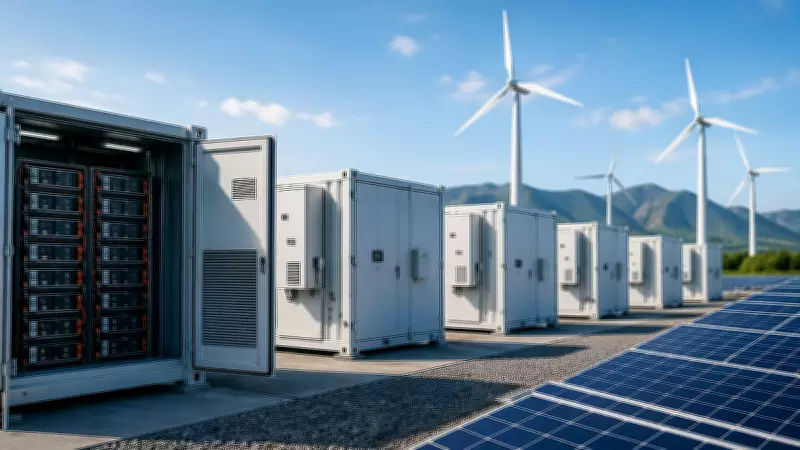
A landmark battery deal between several major energy companies could fundamentally alter the global energy storage landscape, experts say. The agreement, announced earlier this week, involves the development and deployment of next-generation battery technology designed to store renewable energy at unprecedented scales.
Details of the Deal
The partnership brings together leading manufacturers, utility providers, and technology firms to build a massive grid-scale battery storage system. The project is expected to have a capacity of several gigawatt-hours, enough to power hundreds of thousands of homes for hours. The deal includes significant investment in research and development for advanced lithium-ion and solid-state batteries.
Impact on Renewable Energy
Energy storage is widely seen as the missing piece for renewable energy sources like solar and wind, which are intermittent. By enabling large-scale storage, this deal could help stabilize grids and reduce reliance on fossil fuels. "This is a game-changer for the energy sector," said Dr. Emily Carter, an energy analyst at the Institute for Sustainable Energy. "It addresses one of the biggest challenges in transitioning to a low-carbon economy."

Economic and Environmental Benefits
The deal is expected to create thousands of jobs in manufacturing, installation, and maintenance. Environmentally, it could cut millions of tons of CO2 emissions annually by displacing coal and natural gas plants. The project also aims to lower battery costs through economies of scale, making electric vehicles and home storage more affordable.
Challenges Ahead
Despite the optimism, challenges remain. Scaling up production requires rare minerals like lithium and cobalt, which have supply chain and ethical issues. The companies have pledged to source materials responsibly and invest in recycling technologies. Regulatory hurdles and grid integration complexities also need to be addressed.
Global Implications
If successful, this model could be replicated worldwide, accelerating the energy transition. Countries heavily dependent on fossil fuels may find new economic opportunities in battery manufacturing. The deal also signals growing corporate commitment to climate goals, as several signatories have net-zero targets.
Construction is expected to begin next year, with the first phase operational by 2027. The partners will share technical data to promote industry-wide innovation.






