Bengaluru Labor Unions Unfazed by Supreme Court Ruling on Minimum Wage Petition
In a significant development for labor rights in India's tech capital, workers' unions in Bengaluru have declared their unwavering determination to continue the fight for fair minimum wages. This comes just days after the Supreme Court of India disposed of their writ petition seeking judicial intervention on this critical issue.
Supreme Court Decision and Union Response
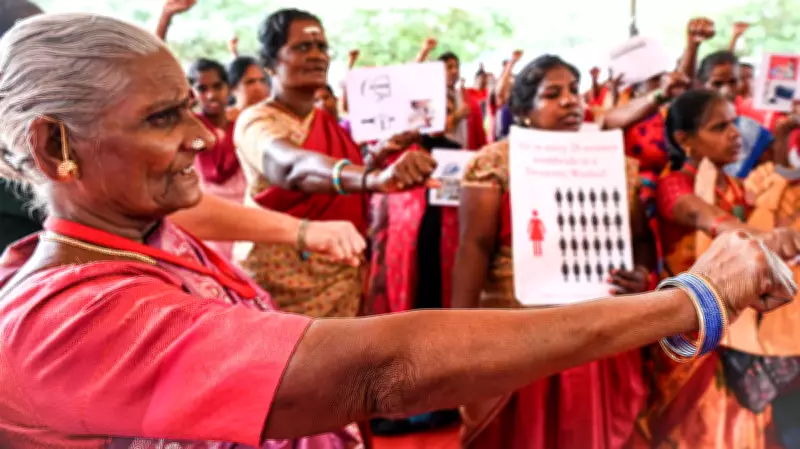
The apex court's dismissal of the minimum wage plea has not dampened the spirits of Bengaluru's organized labor movement. On Monday, February 2nd, 2026, multiple unions issued a powerful joint statement reaffirming their commitment to the cause. Among the prominent organizations leading this charge is the city-based Domestic Workers Rights Union (DWRU), which has been at the forefront of advocating for vulnerable workers in informal sectors.
The four-day period between the court's decision and the union statement appears to have been used for strategic planning and solidarity building. Rather than retreating, the unions have chosen to publicly declare their intention to pursue all available legal, political, and social avenues to achieve their minimum wage objectives.

Broader Implications for Bengaluru's Workforce
This development highlights several important aspects of contemporary labor relations in one of India's most economically dynamic cities:
- The persistence of wage inequality despite Bengaluru's reputation as a technology and innovation hub
- The growing organization and voice of workers in traditionally unorganized sectors
- The complex interplay between judicial processes and grassroots labor movements
- The specific challenges faced by domestic workers and other informal sector employees
The unions' vow to continue their struggle suggests that the minimum wage issue will remain a contentious point in Bengaluru's socio-economic landscape. Their statement serves as both a declaration of intent and a rallying cry for broader support from civil society, policymakers, and the general public.
Looking Forward: The Path Ahead for Labor Rights
While the Supreme Court's decision represents a legal setback, the unions' response demonstrates that the minimum wage battle is far from over. The coming months are likely to see increased mobilization, awareness campaigns, and possibly alternative legal strategies. This situation underscores the ongoing tension between economic growth priorities and fundamental worker protections in rapidly developing urban centers like Bengaluru.
The domestic workers' union, along with its allied organizations, has signaled that they view this court decision as merely one chapter in a longer struggle. Their commitment suggests that minimum wage advocacy will continue to be a defining feature of Bengaluru's labor rights landscape, with potential implications for similar movements across other Indian cities facing comparable challenges.