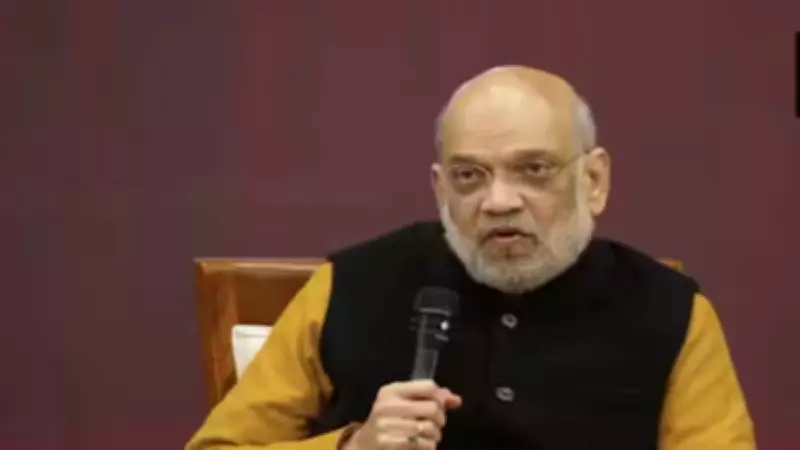
Amit Shah Unveils Bharat Taxi's Groundbreaking Profit-Sharing Model for Drivers
In a significant announcement aimed at transforming the ride-hailing industry, Union Home Minister Amit Shah has revealed that Bharat Taxi will allocate a substantial 80% of its profits directly to taxi drivers. This move, described as a "driver-first" initiative, is set to enhance the financial well-being of drivers across India, marking a pivotal shift in how companies in this sector prioritize worker welfare.
Prioritizing Driver Earnings and Support
The new policy, as outlined by Amit Shah, ensures that the majority of Bharat Taxi's profits will flow directly to the drivers who form the backbone of the service. This approach is designed to address long-standing concerns about low earnings and lack of benefits in the gig economy, particularly in the transportation sector. By putting drivers at the forefront, Bharat Taxi aims to create a more sustainable and equitable ecosystem, where drivers can earn a fair share of the revenue they help generate.
This initiative is expected to set a new benchmark in the industry, encouraging other ride-hailing platforms to reconsider their profit distribution models. Amit Shah emphasized that the policy reflects the government's commitment to supporting grassroots workers and fostering inclusive economic growth. The announcement has been met with optimism from driver associations, who see it as a step toward better job security and improved livelihoods.

Implications for the Ride-Hailing Sector and Economy
The Bharat Taxi profit-sharing model could have far-reaching effects on the competitive landscape of India's ride-hailing market. By offering higher profit margins to drivers, the company may attract more drivers to its platform, potentially increasing its market share and service reliability. This move also aligns with broader economic goals, such as boosting disposable income among workers and stimulating local economies through increased spending power.
Industry analysts note that this policy might prompt a reevaluation of labor practices in the tech-driven gig economy, where profit allocation has often been skewed toward corporate entities. As Bharat Taxi implements this driver-centric approach, it could inspire regulatory discussions on fair compensation and worker rights in similar sectors. The announcement underscores a growing trend toward social responsibility in business, with potential benefits for driver morale and customer satisfaction.
In summary, Amit Shah's revelation about Bharat Taxi's 80% profit share for drivers highlights a proactive effort to empower taxi drivers and reshape industry norms. This driver-first strategy not only promises enhanced earnings for workers but also signals a shift toward more equitable business models in India's evolving digital economy.