In a sharp critique that has stirred political and business circles, Info Edge founder Sanjeev Bikhchandani has accused Aam Aadmi Party (AAP) Member of Parliament Raghav Chadha of contributing nothing meaningful to the crucial conversations surrounding India's gig workers. Bikhchandani alleges that Chadha is primarily focused on claiming credit for ongoing efforts rather than adding substantive value to the discourse.
The Core of the Controversy
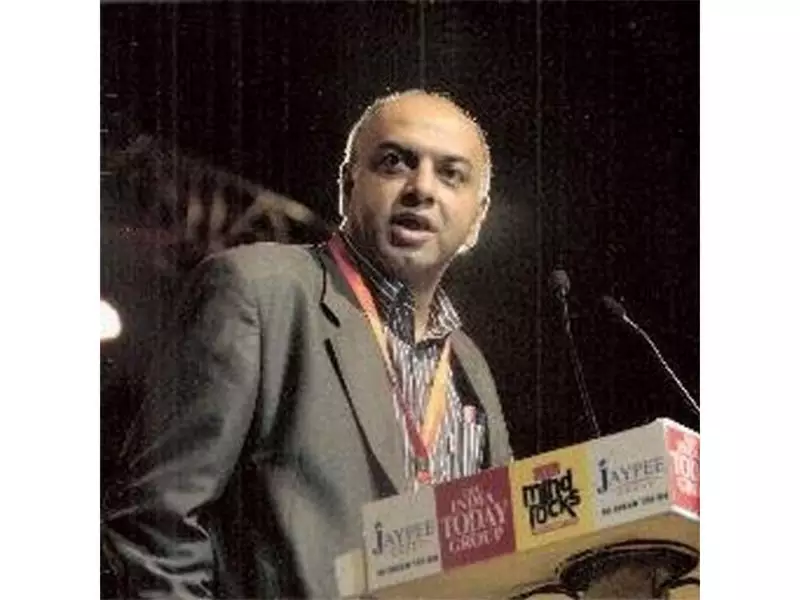
The public remarks were made by Bikhchandani during an interview, where he expressed clear frustration with the political posturing around the gig economy. He emphasized that the dialogue concerning the rights, social security, and working conditions of gig workers is a complex and pressing issue requiring deep, collaborative work. According to Bikhchandani, Raghav Chadha's involvement has lacked this depth, reducing his role to that of an observer seeking accolades rather than a constructive participant driving solutions forward.
This criticism touches on a vital sector of the Indian economy, where millions are employed by platforms like Zomato, Swiggy, Uber, and Ola. The debate over their legal status, benefits, and fair wages has been intensifying, with various stakeholders, including unions, corporations, and policymakers, trying to find a balanced way forward. Bikhchandani's comments suggest a significant disconnect between political narratives and ground-level, actionable policymaking.

Stakeholders and Political Reactions
Sanjeev Bikhchandani, as the founder of a major internet company like Info Edge (which owns Naukri.com, Jeevansathi.com), brings a significant industry perspective to the table. His critique implies that political figures need to engage with the technical and economic realities of platform work more seriously. The gig worker model presents unique challenges that simple rhetoric cannot solve.
On the other side, Raghav Chadha, a prominent AAP MP and spokesperson, has been vocal on several public interest issues. He has previously raised concerns about the welfare of gig workers in Parliament and through public statements. Bikhchandani's accusation essentially challenges the effectiveness and authenticity of these interventions, framing them as credit-seeking rather than problem-solving.
This exchange highlights a broader tension in Indian politics and policy-making: the clash between entrepreneurial expertise and political advocacy. It raises questions about who gets to shape the future of work and whether political contributions are measured by visibility or by tangible outcomes for workers.
Implications for India's Gig Economy Policy
The public spat between a noted entrepreneur and a sitting MP could have several consequences. Firstly, it brings renewed public attention to the gig worker debate, potentially pressuring all parties to move beyond rhetoric. Secondly, it may force a more transparent evaluation of the proposals and laws being suggested by political figures. Are they feasible? Do they understand the operational models of the platforms?
For the gig workers themselves, this controversy underscores the urgency of their situation. While discussions and debates continue, their need for clear policies on minimum wage guarantees, accident insurance, and grievance redressal mechanisms remains immediate. The hope is that such public disagreements might eventually lead to more rigorous and inclusive policy formulation, involving workers, platforms, experts, and lawmakers in a genuine dialogue.
Ultimately, Bikhchandani's blunt assessment serves as a call for substance over style. As India grapples with defining the future of its large and growing gig workforce, the expectation from leaders is to contribute constructively to the conversation, not just participate in it for political mileage. The coming months will reveal how this critique influences the political approach to one of the most important labor issues of our time.