

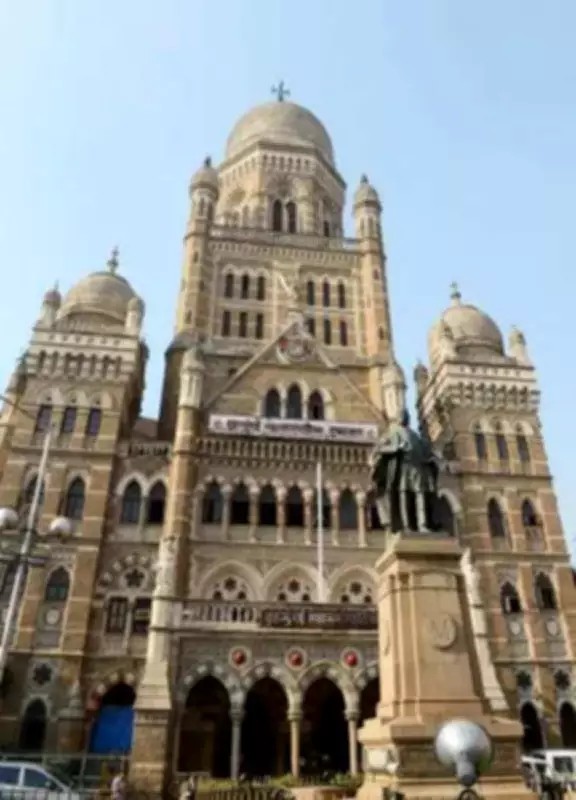
The Brihanmumbai Municipal Corporation (BMC) has proposed a significant relaxation in parking norms for star-category hotels located within a 2-kilometre radius of the airport. The plan has been tabled before its civic improvements committee.
Proposal Details
The proposal seeks to reduce existing parking requirements prescribed under the Development Control and Promotion Regulations 2034 (DCPR 2034) by 50%. However, it is yet to receive committee approval.
Current Norms and Industry Concerns
Under current DCPR norms, hotels must provide one parking space for every 100 square metres of total built-up area (BUA). The hotel industry has long argued that this formula is outdated and results in excessive and underutilised parking spaces.

In its representation to the BMC, the industry highlighted that a large portion of a hotel's built-up area comprises ancillary and service zones — such as lobbies, corridors, banquet and pre-function areas, kitchens, plant rooms, staff facilities, and storage spaces — which do not directly generate vehicular traffic.
BMC's Acknowledgment
The civic body acknowledged that parking calculations currently include the entire built-up area, covering both guest-use and back-end infrastructure. Industry stakeholders contend that including non-traffic-generating spaces inflates parking requirements, leading to higher construction costs and inefficient land use. They have urged the BMC to exclude such areas from parking calculations to better reflect actual demand.
Changing Mobility Patterns
The representation also pointed to changing mobility patterns, particularly in areas near airport precincts and along Metro corridors. With improved public transport connectivity, including Metro services, rail networks, and widespread use of ride-hailing platforms, dependence on private vehicles has declined significantly among hotel guests and visitors.
Environmental and Urban Planning Concerns
Environmental and urban planning concerns were also raised, noting that excessive parking provisions contribute to increased concretisation and reduce the availability of open and green spaces in the city.
Next Steps
If approved by the committee, the proposal will be opened for public suggestions and objections before being sent to the state government for final clearance.






