Budget 2026 Unveils Strategic Export Support for Key Industries
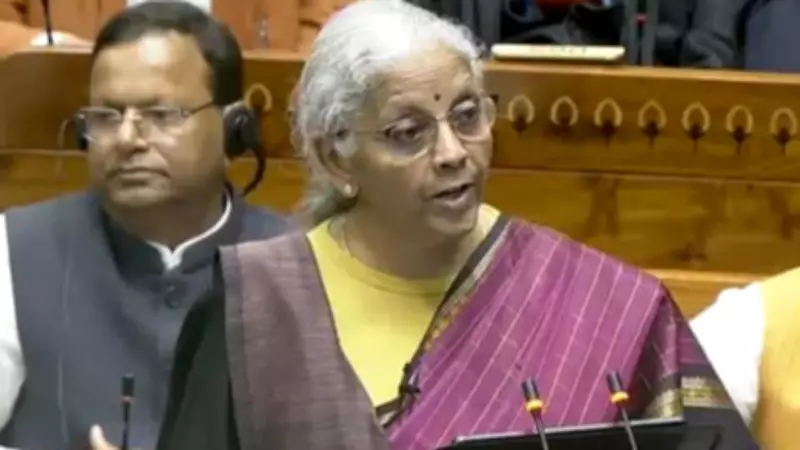
Finance Minister Nirmala Sitharaman, while presenting her ninth consecutive Union Budget on Sunday, unveiled a comprehensive package of measures aimed at bolstering India's export-oriented sectors. The announcements specifically target the processed seafood and leather footwear industries, which have been grappling with significant international trade challenges.
Enhanced Duty-Free Import Limits for Exporters
In a significant move to boost competitiveness, Sitharaman announced plans to increase the duty-free import limit for specified inputs used in the export of processed seafood products. The limit would be raised substantially from the current one per cent to three per cent of the free-on-board (FOB) value of the previous year's export turnover. This enhancement is expected to provide much-needed relief to seafood exporters by reducing their input costs and improving profit margins.
For the leather and footwear sector, the Finance Minister proposed extending the existing duty-free import facility for specified inputs. "I also propose to allow duty-free imports of specified inputs, which is currently available for exports of leather or synthetic footwear, to exports of shoe uppers as well," Sitharaman declared during her budget speech. This expansion is designed to strengthen the entire footwear manufacturing ecosystem in India.

Extended Export Timeframes for Multiple Sectors
Further strengthening the export framework, Sitharaman announced a crucial extension of the permissible time period for the export of final products. The timeline has been increased from the current six months to a full year, providing exporters with greater flexibility in their operations. This revised timeframe will apply to exporters across multiple categories including:
- Leather or textile garments
- Leather or synthetic footwear
- Various other leather products
This extension is particularly valuable for industries dealing with seasonal demand fluctuations and complex international supply chains.
Current Export Performance and Challenges
The budget announcements come at a critical juncture for these labor-intensive sectors. India's exports of leather and leather products witnessed a marginal decline of 0.23 per cent during April–December 2025–26, falling to USD 3.3 billion. This contraction highlights the pressing need for policy interventions to revive growth in this traditional employment-generating sector.
In contrast, the seafood export sector demonstrated remarkable resilience and growth during the same period. Shipments surged by 15.53 per cent to reach USD 6.5 billion, compared with USD 5.67 billion during April–December of the previous year. This strong performance underscores the sector's potential for further expansion with appropriate policy support.
Addressing International Trade Barriers
The budget measures assume particular significance as these export-oriented sectors face mounting challenges in key international markets, especially the United States. The Trump administration has imposed a steep 50 per cent import duty on Indian goods entering the American market, creating substantial headwinds for exporters. The enhanced duty-free import limits and extended export timelines are strategically designed to help Indian exporters navigate these tariff barriers and maintain their competitive edge in global markets.
These announcements reflect the government's recognition of the vital role that export-oriented, labor-intensive industries play in India's economic growth and employment generation. By providing targeted support through duty concessions and operational flexibility, the budget aims to strengthen these sectors against global trade uncertainties while positioning them for sustainable long-term growth.