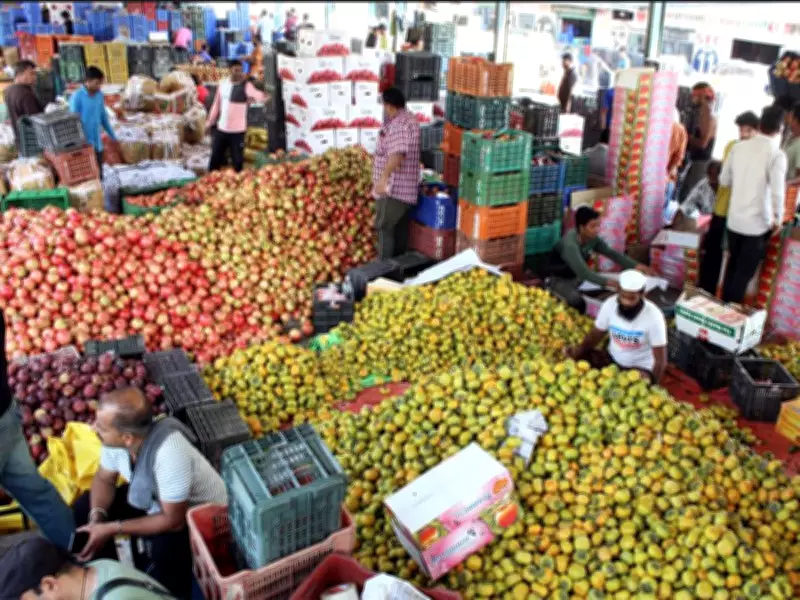
A deficient monsoon season could lead to higher inflation in India, with a potential impact of 0.4 percentage points on the Consumer Price Index (CPI) in the fiscal year 2026-27 (FY27), according to a report by ICICI Bank. The analysis highlights the critical role of rainfall in determining agricultural output and food prices, which constitute a significant portion of the CPI basket.
Monsoon Deficiency and Its Economic Implications
The report warns that below-normal rainfall during the southwest monsoon, which typically accounts for over 70% of India's annual precipitation, could disrupt farm production. This disruption would likely push up prices of essential commodities such as cereals, pulses, vegetables, and milk. The resultant food inflation could spill over into broader inflationary pressures, affecting the Reserve Bank of India's (RBI) monetary policy decisions.
Impact on CPI and Inflation Trajectory
ICICI Bank's analysis estimates that a 10% deficiency in monsoon rainfall could raise food inflation by 1.5 to 2 percentage points, translating to a 0.4 percentage point increase in headline CPI inflation for FY27. This projection assumes that other factors such as global commodity prices, domestic demand, and government interventions remain stable. The report underscores that the actual impact may vary depending on the spatial and temporal distribution of rainfall, as well as the effectiveness of policy responses.

Food Prices and Supply Chain Vulnerabilities
The report identifies key food items that are most sensitive to monsoon variability. These include rice, pulses, oilseeds, and vegetables. A deficient monsoon could lead to lower yields, reduced sowing areas, and higher production costs. Additionally, supply chain disruptions due to water scarcity could exacerbate price volatility. The report notes that the government's buffer stocks and procurement policies may provide some cushion, but prolonged dry spells could strain these mechanisms.
Monetary Policy and RBI's Response
The potential inflation spike poses a challenge for the RBI, which has been tasked with maintaining CPI inflation within the target range of 2-6%. If monsoon deficiency leads to sustained high inflation, the central bank may delay interest rate cuts or even consider tightening monetary policy. This could impact economic growth, particularly in sectors reliant on credit, such as agriculture, small and medium enterprises, and housing. The report suggests that the RBI will closely monitor rainfall patterns and adjust its policy stance accordingly.
Government Measures and Mitigation Strategies
The government can mitigate the impact of a deficient monsoon through various measures. These include expanding irrigation infrastructure, ensuring timely distribution of seeds and fertilizers, promoting water conservation techniques, and strengthening the public distribution system. Additionally, the government may consider reducing import duties on essential food items to boost supply and stabilize prices. The report emphasizes the need for proactive planning and coordination between central and state governments to address potential food inflation.
Long-term Outlook and Structural Reforms
While the immediate focus is on the FY27 impact, the report also highlights the need for long-term structural reforms to reduce the economy's vulnerability to monsoon variability. Investments in climate-resilient agriculture, improved forecasting technologies, and enhanced storage facilities can help build a more robust food supply chain. The report calls for a comprehensive strategy that integrates agricultural policy, water management, and social safety nets to ensure food security and price stability.
In conclusion, the ICICI Bank report serves as a timely reminder of the profound impact that monsoon deficiency can have on India's inflation dynamics. As the country prepares for the upcoming fiscal year, policymakers must remain vigilant and ready to implement measures that safeguard the economy from the adverse effects of erratic rainfall.