Delhi Traders Submit 11-Point Demands to Chief Minister Rekha Gupta Ahead of Budget
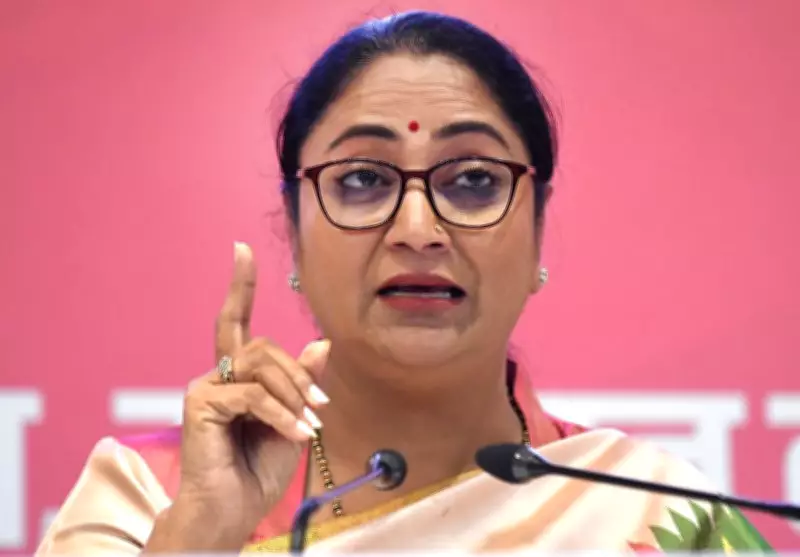
The Chamber of Trade and Industry (CTI) has formally presented an 11-point demand charter to Delhi Chief Minister Rekha Gupta, just days before the upcoming Delhi Budget scheduled for March 24. This comprehensive list of recommendations aims to address critical issues faced by traders and industrial stakeholders across the capital, reflecting inputs from nearly 700 market associations and 56 industrial areas.
Key Demands for Structural Reforms
Among the primary demands, CTI has strongly advocated for the conversion of leasehold industrial plots into freehold properties in key areas such as Bawana, Bhorgarh, Jhilmil, and Badli. This move is expected to provide greater ownership rights and stability for businesses operating in these zones.
Additionally, the traders' body has highlighted significant discrepancies in circle rates at over 50 locations throughout Delhi, calling for a rationalization to ensure fairness and transparency in property transactions.

Addressing Operational Costs and Infrastructure
The charter emphasizes concerns over high operational costs, particularly noting that minimum wages and electricity tariffs in Delhi are substantially higher compared to neighboring states. CTI has urged the government to make these more competitive to enhance the ease of doing business and reduce financial burdens on enterprises.
To improve logistics and storage, the organization has proposed the development of a separate warehouse policy tailored for Delhi's unique needs. Furthermore, CTI has pressed for the expedited formation of a Traders' Welfare Board, a measure announced in the previous budget but yet to be implemented, to better support the trading community.
Urban Development and Market Enhancements
Focusing on urban infrastructure, CTI has recommended redevelopment schemes for historic markets like Chandni Chowk and Sadar Bazaar to modernize these iconic trading hubs. The body has also sought the creation of designated vending zones to tackle issues of encroachments and unauthorized hawking in key market areas, promoting orderly commerce.
To boost trade and market access, CTI has proposed the development of a 'Delhi Bazaar Portal' to help local traders connect with national and international markets. In a bid to stimulate retail activity, the organization has called for the organization of large-scale shopping festivals inspired by successful models in Dubai and China.
Streamlining Regulations and Improving Infrastructure
Other key suggestions include the simplification of business regulations through a single-window system to reduce bureaucratic hurdles and enhance efficiency. CTI has also emphasized the need for improvements in drainage and infrastructure within industrial areas to support sustainable growth and operational effectiveness.
This 11-point demand charter underscores the collective voice of Delhi's business community, aiming to shape policies that foster a more conducive environment for trade and industry in the capital.