

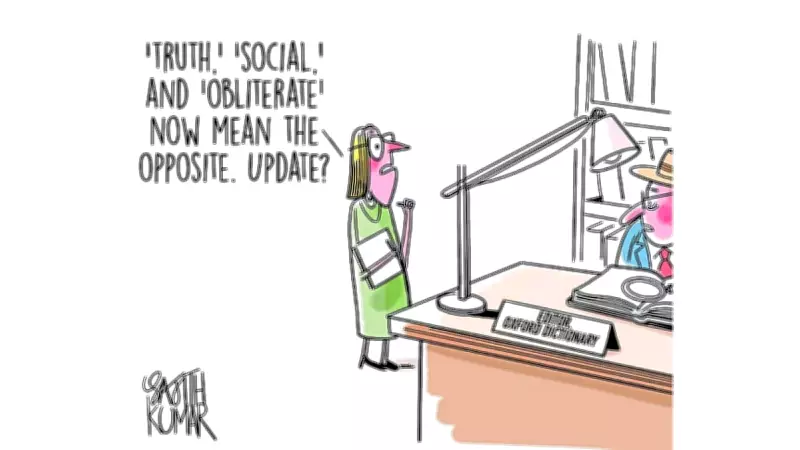
DH Toon Satirizes the 'What's the Update?' Culture in Modern Workplaces
A recent cartoon published by Deccan Herald, known as DH Toon, has sparked widespread discussion by humorously critiquing the pervasive 'What's the update?' culture in contemporary work environments. This satirical piece uses visual humor to highlight how constant demands for updates can disrupt workflow and increase stress among employees.
The Satirical Take on Workplace Dynamics
The cartoon depicts a typical office scene where a manager repeatedly asks team members for updates, often interrupting their work. Through exaggerated expressions and scenarios, it underscores the irony of how such practices, intended to ensure progress, can ironically hinder productivity by creating a cycle of interruptions and anxiety.
Key elements of the satire include:

- Visual metaphors showing employees overwhelmed by update requests.
- A humorous portrayal of managers prioritizing updates over actual task completion.
- Subtle commentary on how this culture affects work-life balance and mental well-being.
Impact on Productivity and Employee Morale
Experts note that the 'What's the update?' phenomenon is common in fast-paced industries, driven by a need for real-time information. However, the cartoon suggests that excessive focus on updates can lead to:
- Reduced deep work and concentration due to frequent interruptions.
- Increased stress and burnout as employees feel pressured to constantly report progress.
- A shift in priorities from quality output to mere status reporting.
This satirical critique resonates with many professionals who experience similar dynamics in their workplaces, making it a relatable and thought-provoking piece.
Broader Implications for Modern Work Culture
The DH Toon cartoon serves as a mirror to broader trends in corporate culture, where micromanagement and constant communication are often glorified. It encourages reflection on whether such practices truly enhance efficiency or merely create an illusion of productivity.
In summary, this cartoon not only provides a laugh but also prompts important conversations about optimizing workplace practices for better outcomes and employee satisfaction.






