Prevention and Early Detection Central to Doctors' Day 2026
On Doctors' Day 2026, medical professionals across India emphasize that prevention and early detection are the cornerstones of better health. Experts from oncology, cardiology, orthopaedics, and other fields urge individuals to adopt healthy lifestyles and undergo regular screenings to reduce the risk of major diseases.
Oncologists Stress Early Cancer Detection
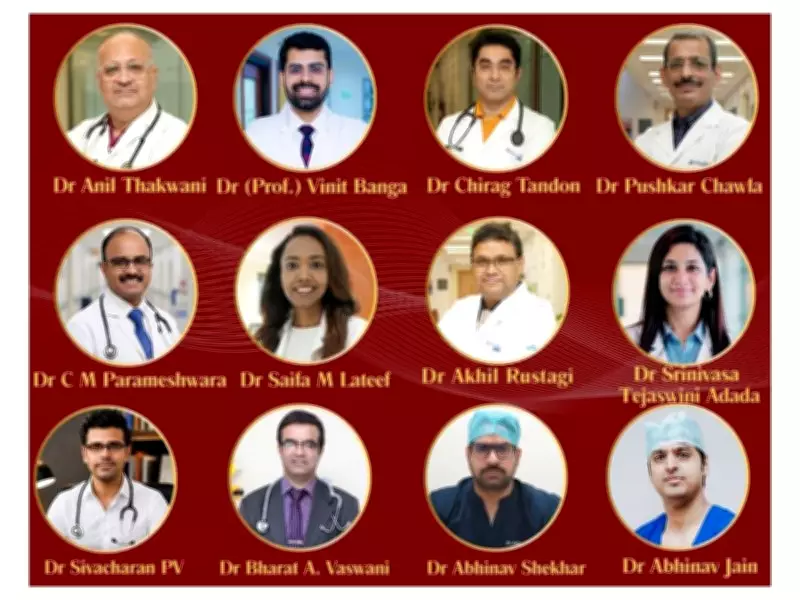
Dr. Abhinav Shekhar, Consultant Surgical Oncologist at Paras HEC Hospital, Ranchi, highlights that many cancer patients arrive with conditions that could have been caught earlier. He recommends regular health check-ups and age-appropriate cancer screenings, noting that tobacco and areca nut products remain among the most preventable causes of cancer. A whole-food diet, reduced processed and red meat intake, and at least 30 minutes of daily physical activity can significantly reduce risk. He also warns against ignoring red flags such as persistent lumps, unexplained bleeding, or sudden weight loss.
Dr. Anil Thakwani, Director and Head of Radiation Oncology at ShardaCare-Healthcity, Greater Noida, agrees that early detection is the single most powerful factor in improving survival and quality of life. He urges high-risk individuals to undergo regular screenings and pay attention to persistent symptoms. Avoiding tobacco, maintaining a balanced diet, and managing stress are key preventive measures.

Cardiologists Advocate for Heart-Healthy Lifestyles
Dr. Akhil Rustagi, Senior Director and HOD of CTVS at ShardaCare-Healthcity, warns that cardiovascular diseases often progress silently. He recommends regular screening for blood pressure, cholesterol, and blood sugar levels. Adopting a heart-healthy lifestyle, including a balanced diet, regular exercise, and avoiding smoking, is crucial. Stress management is equally important, as chronic stress can significantly impact heart health. Even small changes like daily walks or mindful eating can create long-term benefits.
Urologist Emphasizes Urinary System Health
Dr. Abhinav Jain, Consultant at Manipal Hospital, Dwarka, New Delhi, advises staying well hydrated to flush out toxins and support kidney function. He warns against smoking, which increases the risk of bladder and kidney cancers, and recommends limiting salt and processed foods. Avoiding holding urine for long periods can reduce the risk of urinary tract infections. He urges seeking medical advice for symptoms like blood in urine, burning, poor urine flow, or persistent flank pain.
Mental Well-Being and Lifestyle Medicine
Dr. Bharat A. Vaswani, Clinical Director of Medical Oncology and Haematology at Yashoda Cancer Institute, Secunderabad, stresses that health is life's greatest wealth. He recommends wholesome meals, at least 30 minutes of daily physical activity, adequate sleep, and hydration. Mental well-being is equally important, and he advises taking time to relax, connecting with loved ones, and seeking help when stress feels overwhelming. He urges avoiding tobacco, limiting alcohol, and keeping vaccinations up to date.
Dr. Chirag Tandon, Director of Internal Medicine at ShardaCare-Healthcity, notes that most lifestyle-related diseases like diabetes and hypertension develop silently and can be prevented through early intervention. He emphasizes a structured routine with balanced nutrition, regular physical activity, adequate sleep, and periodic health check-ups. Symptoms like fatigue, unexplained weight changes, or persistent discomfort should never be overlooked.
Colorectal Surgeon Breaks Silence on Constipation
Dr. C. M. Parameshwara, Chief Colorectal Surgeon at Smiles Institute of Gastroenterology, Bengaluru, shares that studies estimate 1 in 6 to 1 in 4 Indian adults live with chronic constipation, many undiagnosed for years because patients do not bring it up and doctors do not ask. He urges anyone who has been straining, bleeding, or avoiding the toilet for more than two weeks to have a clinical conversation. He believes that speaking about it in the consultation room stops it from being shameful and starts it being treatable.

Orthopaedic and Emergency Care Experts Weigh In
Dr. Pushkar Chawla, Director and Unit Head of Orthopaedics at ShardaCare-Healthcity, highlights that a healthy nation begins with healthy individuals. He warns that sedentary lifestyles are causing back pain, joint stiffness, and posture-related problems across all age groups. Regular exercise, strength training, and proper posture can reduce the risk of musculoskeletal disorders. Adequate calcium and vitamin D intake support bone health.
Dr. Saifa M. Lateef, Associate Professor and Clinical HOD of Emergency at ShardaCare-Healthcity, stresses that timely action in emergencies can save lives. Recognizing early warning signs of heart attacks, strokes, or severe trauma and seeking immediate medical help is critical. Basic knowledge of first aid and keeping emergency contact numbers accessible are simple but critical steps.
Neurologist Warns Against Ignoring Early Symptoms
Dr. (Prof.) Vinit Banga, Director and Head of Neurology and Neurovascular Intervention at Fortis Escorts Hospital, Faridabad, notes that many neurological conditions like stroke, migraine, epilepsy, and memory-related illnesses can be effectively managed when diagnosed early. He warns that ignoring persistent headaches, sudden weakness, numbness, seizures, dizziness, or memory changes delays treatment and increases complications. Maintaining healthy blood pressure, blood sugar, and cholesterol levels is important in preventing stroke and other neurological disorders.
This Doctors' Day, the collective message from healthcare experts is clear: small, consistent lifestyle changes, regular screenings, and timely medical advice can lead to a healthier, happier, and more fulfilling life.