

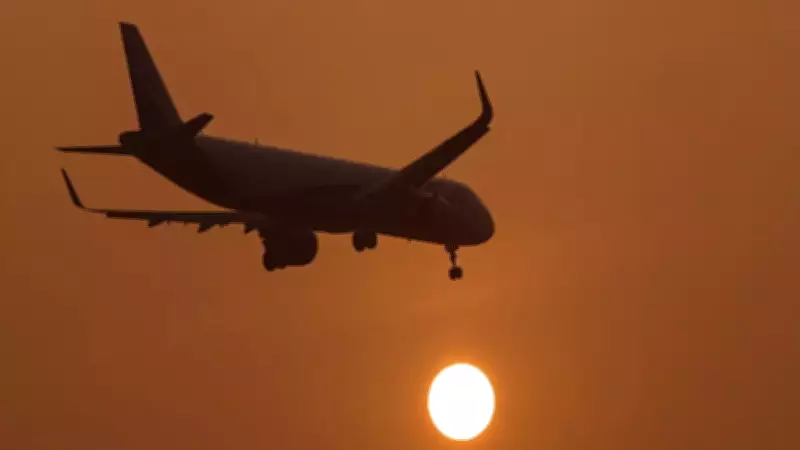
Domestic Flight Costs Set to Soar This Summer Amid Reduced Schedules
Travelers in India should brace for significantly higher domestic airfares this summer, a trend that echoes the recent surge in international flight prices following geopolitical tensions. The upcoming summer schedule, effective from March 29, is projected to feature approximately 3,000 fewer weekly domestic flights compared to last summer's total of 25,610, marking a substantial 12% decline in capacity.
Factors Driving the Price Surge
The combination of lifted fare caps and this reduced flight availability is poised to drive travel costs upward. Industry experts highlight that a major contributing factor is the anticipated significant increase in aviation turbine fuel (ATF) prices starting April 1. This expected hike will substantially raise operating expenses for airlines, inevitably leading to higher ticket prices for passengers.
An industry insider explained, "A significant hike in aviation turbine fuel prices is expected from April 1. That will mean a serious increase in operating costs and fares. Though Air India group, IndiGo and Akasa have either hiked fares or levied surcharges, these measures will pale in comparison to the ATF increase being anticipated."

Impact on Airlines and Travel Demand
The financial strain from rising fuel costs means that only a select few carriers—such as profitable airlines like IndiGo or those backed by cash-rich groups like Tata for Air India—will be positioned to operate flights according to market demand. Weaker players in the industry may struggle to secure the necessary funds to fuel their aircraft and maintain operations, potentially facing difficulties in remaining solvent.
Airlines are acutely aware that raising fares beyond a certain threshold could suppress travel demand, which in turn would necessitate operating fewer flights. The approved summer schedule represents the maximum number of flights airlines are permitted to operate; the actual number flown will depend on various factors including supply dynamics, passenger demand, and escalating operating costs.
This situation mirrors challenges in international aviation, where conflicts in regions like the Middle East have already led to increased fares and operational disruptions. As domestic travelers plan their summer journeys, they must prepare for a more costly and potentially less flexible travel environment, with reduced flight options and heightened expenses becoming the new norm for the season.






