Ex-HPCL Chief Urges Focus on Fuel Availability Amid Geopolitical Tensions
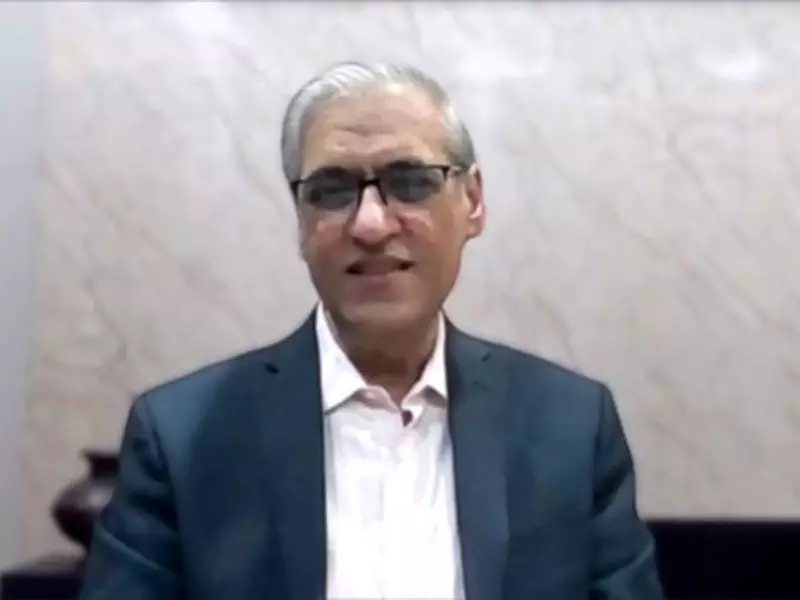
In a detailed assessment of India's energy security landscape, former Chairman and Managing Director of Hindustan Petroleum Corporation Limited (HPCL), M K Surana, has called for a strategic shift in focus from fuel pricing to ensuring robust availability. Speaking against the backdrop of escalating tensions involving Iran, the United States, and Israel, Surana highlighted that while the current situation deviates from business as usual, supply chains are being actively managed to mitigate disruptions.
Global Context and Supply Chain Vulnerabilities
Surana pointed to the Strait of Hormuz as a critical chokepoint in global energy flows, with approximately 20 million barrels of oil—around 20 percent of global trade—passing through daily. Despite diplomatic assurances, practical blockages have occurred due to insurance coverage issues, he noted. However, recent diplomatic efforts have facilitated some movement, with Indian vessels, including two carrying LPG and two with crude, arriving in the last three to four days.
India's heavy reliance on imports was underscored, with consumption of about 268 million metric tons of crude annually, of which only 10 percent is domestically produced. Surana emphasized that diversification efforts have reduced dependency on the Strait of Hormuz to about 30 percent, providing a buffer against regional instability.

Short-Term Preparedness and Fuel-Specific Concerns
On current preparedness, Surana expressed confidence in crude oil supplies, stating that India has secured arrangements for at least one to one and a half months. He reassured that petrol and diesel availability remains unaffected, with no visible queues at petrol pumps, attributing this to stable supply lines.
However, LPG emerged as a primary area of concern. Surana explained that nearly 90 percent of India's LPG imports, which account for 60 percent of total consumption, traditionally transit through the Strait of Hormuz. This has led to supply challenges, exacerbated by limited storage capacity and ongoing consumption demands.
Government Measures and Public Response
The government has implemented measures to prioritize domestic cooking gas over industrial uses, resulting in a 25 to 30 percent increase in household availability. Surana urged public cooperation, warning against panic buying, which has worsened the situation. Normal average bookings of 55 lakh cylinders surged to 75-80 lakh in recent days, he noted, advising against unnecessary rush for second cylinders.
Market Outlook and Future Strategies
Surana indicated that market expectations do not foresee a prolonged conflict, with crude prices hovering between $100 and $105 per barrel, reflecting optimism about a resolution. He stressed the importance of stabilizing flows through the Strait of Hormuz and enhancing sourcing from alternative regions to bolster energy security.
In summary, while LPG supplies pose a significant challenge, coordinated efforts between the government and industry are managing the crisis, with a clear emphasis on securing essential fuels for Indian households amidst global uncertainties.