

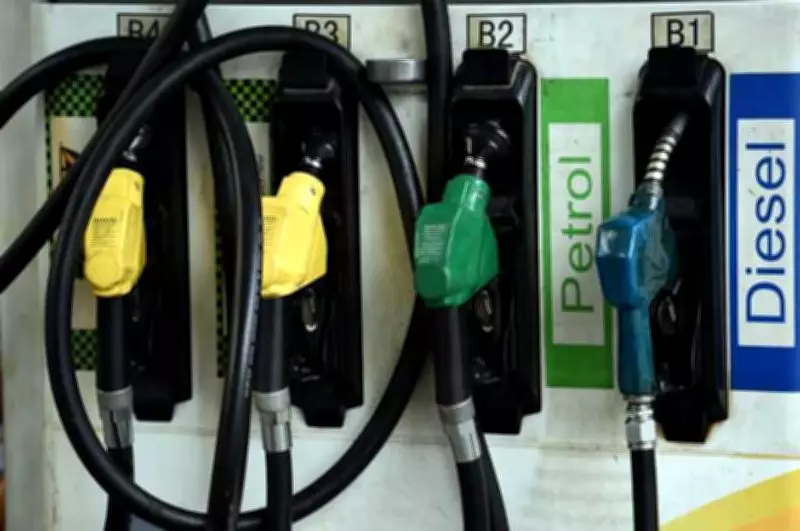
Government Announces Major Excise Duty Reduction on Fuel to Ease Oil Marketing Company Burdens
The Indian government has implemented a significant reduction in excise duties on petrol and diesel, aiming to provide relief to oil marketing companies grappling with escalating global crude oil prices. This strategic move comes amidst ongoing geopolitical tensions in the Middle East, which have severely disrupted international energy markets.
Details of the Excise Duty Adjustments
In a notification issued by the Finance Ministry on March 26, the excise duty on petrol has been sharply decreased from Rs 13 per litre to just Rs 3 per litre. Simultaneously, the levy on diesel has been completely abolished, dropping from Rs 10 per litre to nil. These revisions are effective immediately, as confirmed by official statements.
Context of Rising Global Crude Prices and Market Strain
Fuel marketing companies in India, including major players like HPCL, BPCL, and IOC, have been under immense financial pressure. Retail prices for petrol and diesel have remained frozen despite a nearly 50% surge in international oil prices since February 28. This spike was triggered by military strikes launched by the United States and Israel against Iran, leading to retaliatory actions from Tehran.

According to a recent analysis by rating agency ICRA, if average crude oil prices climb to USD 100-105 per barrel, fuel retailers could incur substantial losses—approximately Rs 11 per litre on petrol and Rs 14 per litre on diesel. Earlier this month, international oil prices peaked at USD 119 per barrel before retreating to around USD 100 per barrel.
Current Fuel Prices and Market Dynamics
In Delhi, the price of normal petrol continues to stand at Rs 94.77 per litre, while diesel of the same grade is priced at Rs 87.67 per litre. However, the situation varies across different retailers. Nayara Energy, which operates 6,967 of India's 1,02,075 petrol pumps, has opted to pass on part of the increased input costs to consumers. Consequently, petrol at Nayara pumps now costs Rs 100.71 per litre, and diesel is priced at Rs 91.31 per litre.
In contrast, Jio-bp, the fuel retailing joint venture between Reliance Industries and BP Plc with 2,185 outlets, has so far refrained from raising prices despite incurring heavy losses on petrol and diesel sales. State-owned fuel retailers, who dominate approximately 90% of the market, continue to maintain frozen rates.
India's Energy Dependence and Geopolitical Challenges
India's reliance on imported energy is a critical factor in this scenario. The country imports 88% of its crude oil needs and about half of its natural gas requirements, with a significant portion transported via the Strait of Hormuz. As conflicts intensified, Iran blocked this vital strait, and insurers withdrew coverage, effectively halting tanker movements and exacerbating supply chain disruptions.
This excise duty cut is expected to bolster the financial stability of oil marketing companies, enhancing their capacity to manage the volatile global oil landscape. It underscores the government's proactive approach to mitigating economic impacts and ensuring energy security in the face of international uncertainties.






