In a significant development for the Indian fuel market, state-run oil marketing companies have reported a 25% reduction in their daily losses following a Rs 3 per litre increase in petrol and diesel prices. The daily loss now stands at Rs 750 crore, down from the previous Rs 1,000 crore. However, analysts caution that this measure provides only limited relief and does not address the underlying structural issues.
Impact of the Price Hike
The decision to raise fuel prices was announced on 18 May 2026, and has been effective immediately. According to industry experts, the hike helps narrow the gap between retail prices and international crude oil costs, which have been volatile. The reduction in losses is a positive sign for the financial health of state-run retailers, but it is not a permanent solution.
Analyst Perspectives
Analysts point out that the Rs 3 per litre increase is a step in the right direction, but it may not be sufficient to fully offset the under-recoveries. They emphasize that sustained profitability will require further price adjustments or government intervention. The current losses, though reduced, still represent a substantial burden on the exchequer.

Market Reactions
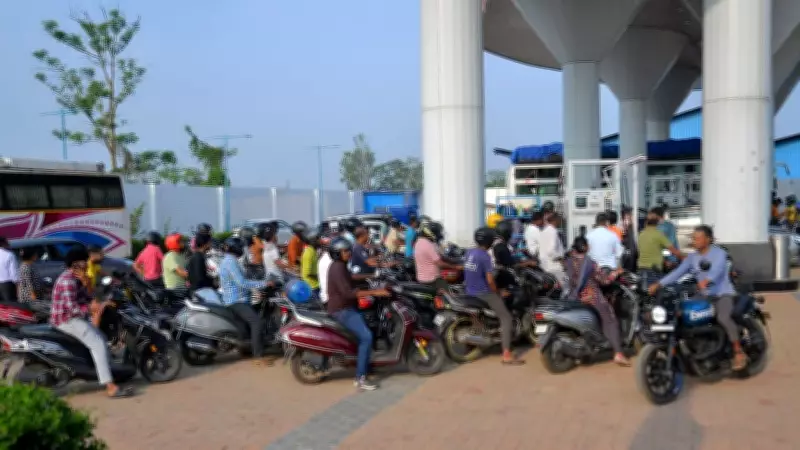
The fuel price hike has drawn mixed reactions from the public. While some acknowledge the necessity of aligning prices with global trends, others express concern over the rising cost of living. The government has assured that it is monitoring the situation and will take appropriate measures to protect consumers.
Future Outlook
Looking ahead, the trajectory of fuel prices will depend on global crude oil prices and domestic demand. The state-run retailers are expected to continue evaluating the need for further hikes. In the meantime, the reduction in daily losses offers some breathing room for the companies and the economy.