

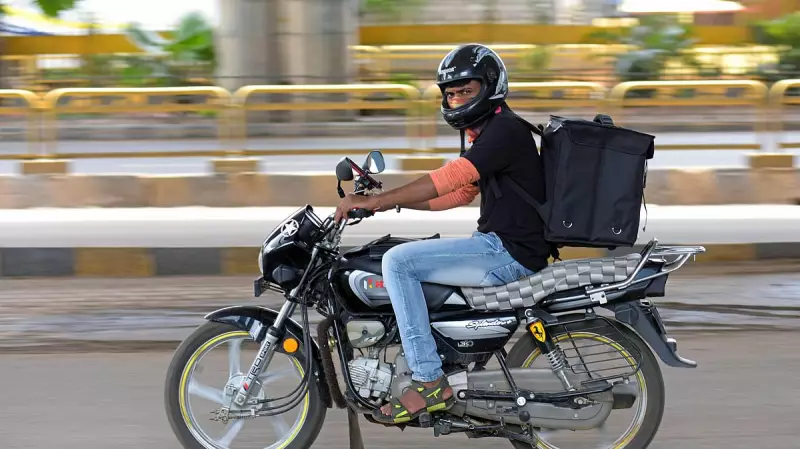
A recent comprehensive study has cast a stark light on the deteriorating conditions faced by millions of gig workers across India, painting a picture of financial precarity, punishing work schedules, and a complete absence of social security. The findings indicate that the very model of platform-based work, once hailed for its flexibility, is now pushing a vast workforce to its physical and economic limits.
The Daily Grind: Exhaustion for Meager Earnings
The report, based on extensive surveys and interviews with workers from major platforms like Swiggy, Zomato, Uber, and Ola, uncovers a relentless daily struggle. A significant portion of these workers are logging in for more than 10 to 14 hours every single day, far beyond standard work hours, just to make ends meet. This grueling schedule is compounded by the constant pressure of performance metrics and algorithmic management that penalizes any delay or refusal of an order.
Despite the long hours, the financial rewards are shrinking. Workers report a steady decline in pay per task, with incentives becoming harder to achieve. After accounting for fuel, vehicle maintenance, and mobile data costs, the net income often falls below minimum wage standards. Many are trapped in a cycle of debt, having taken loans to purchase the smartphones and two-wheelers essential for the job, with repayments consuming a large chunk of their unstable income.

No Safety Net: The Perils of Being 'Independent'
Perhaps the most alarming aspect highlighted is the total lack of a social safety net. Classified as 'independent partners' or 'contractors,' these workers have no access to benefits that formal employees take for granted. There is no health insurance, no paid sick leave, no provident fund, and no compensation for accidents incurred on the job. A single injury or illness can plunge a worker's family into immediate financial crisis.
The report documents numerous cases where delivery riders or driver-partners, injured in road accidents, were left to fend for themselves with mounting medical bills and no income. This absolute vulnerability forces workers to return to dangerous roads before fully recovered, perpetuating a cycle of risk. Furthermore, they have no protection against arbitrary 'deactivation'—being locked out of the app by the platform without clear reason or recourse, which equates to instant job loss.
A Call for Regulation and Worker Rights
The accumulating evidence from this and other studies is creating a powerful impetus for policy intervention. Labor unions and activists are intensifying their demands for the government to recognize gig workers as a distinct category deserving of legal protection. Key proposals include:
- Establishing a framework for minimum guaranteed earnings relative to work hours.
- Creating a social security fund, potentially funded by a small levy on each transaction, to provide insurance and benefits.
- Introducing clear grievance redressal mechanisms to challenge unfair deactivations and algorithmic decisions.
- Ensuring transparency in how pay, incentives, and penalties are calculated by the platforms.
The report concludes that the sustainability of India's booming platform economy is at stake. Without urgent steps to ensure fair pay, safe working conditions, and basic dignity for its workforce, the system risks fostering widespread discontent and social instability. The ball is now in the court of policymakers and platform companies to address this growing crisis before it reaches a breaking point.






