Global Oil Prices Surge Amid Middle East Tensions
Internationally, oil prices have experienced a significant rise of approximately 9-10% following recent military actions involving Israel and the United States against Iran. This escalation in the Middle East has heightened geopolitical risks, contributing to elevated crude benchmarks that are likely to persist in the near term.
Impact on India's Fuel Market
As a nation that imports about 88% of its crude oil requirements, India faces increased import costs and potential inflationary pressures when global prices climb. The key question for consumers is whether this will translate into higher petrol and diesel prices at the pump.
Brent crude, the international benchmark, has approached $80 per barrel, while US crude futures advanced by 8.6% to $72.79, up from roughly $67 just days earlier. This sharp increase stems from heightened tensions, including reports of attacks and threats in the region, such as Iranian claims of a downed US fighter jet and explosions in Gulf nations.

Government Policy Shields Consumers
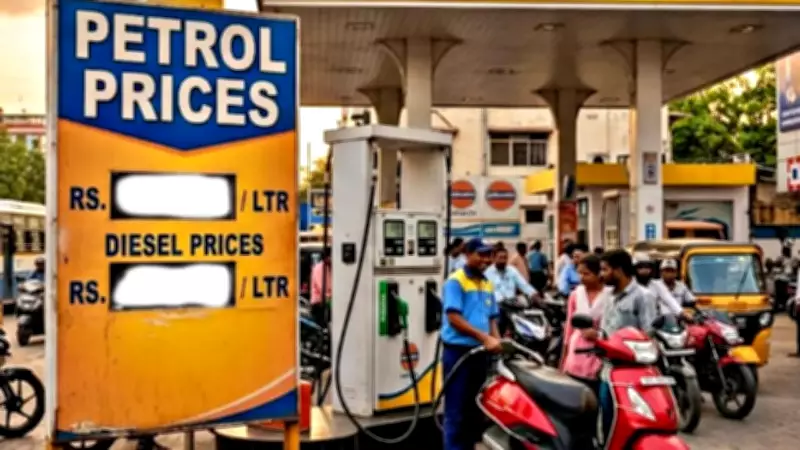
Despite the global surge, retail petrol and diesel prices in India are not anticipated to rise immediately. According to sources cited in a PTI report, the government is employing a calibrated strategy that allows oil marketing companies to enhance margins during periods of lower international prices while protecting consumers when rates increase.
Pump prices for petrol and diesel have remained unchanged since April 2022. During this period, state-run retailers like Indian Oil Corporation, Bharat Petroleum Corporation Ltd, and Hindustan Petroleum Corporation Ltd have absorbed losses when crude prices were high and benefited during declines. This policy has stabilized domestic fuel costs, even as global rates fluctuated.
Political and Economic Considerations
The government aims to continue shielding consumers under this framework, unless crude prices experience an exceptionally sharp surge. With assembly elections approaching in key states such as West Bengal, Tamil Nadu, and Assam, authorities are keen to avoid developments that could provide political ammunition to opposition parties.
Assessing Oil Security and Logistics
Amid intensifying hostilities, Oil Minister Hardeep Singh Puri recently convened a meeting with senior officials and executives from public sector oil companies to assess the crude oil, LPG, and petroleum products situation. A critical concern is the Strait of Hormuz, a vital transit route for much of India's crude oil and gas supplies, which Iranian authorities have threatened to close.
Sources indicate that oil companies have sufficient buffers to manage price spikes, noting that crude touched $119 per barrel in June 2022 after Russia's invasion of Ukraine, yet companies recorded a record profit of Rs 81,000 crore in FY24. However, if interruptions continue, cargoes may need diversion around the Cape of Good Hope, leading to longer transit times and increased transportation, freight, and insurance costs.
The Strait of Hormuz handles nearly one-third of global seaborne crude oil exports and about 20% of liquefied natural gas cargoes, making its potential closure a significant risk for worldwide energy transportation.