

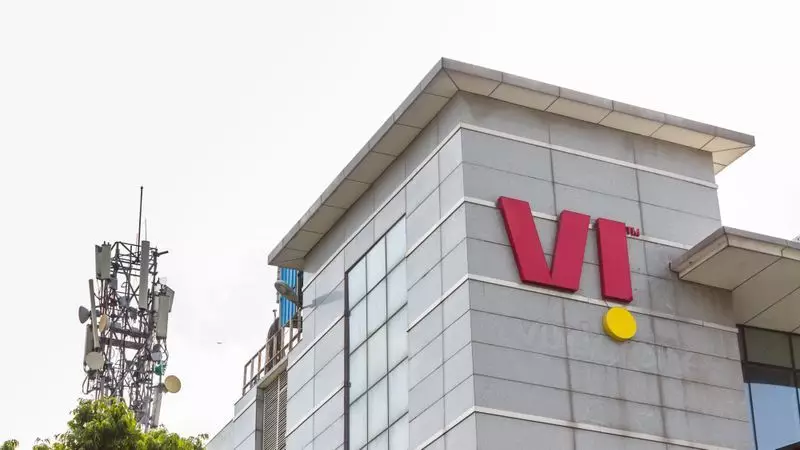
In a significant move to stabilize the debt-laden telecom sector, the Indian government has approved a crucial relief package for Vodafone Idea Ltd. The decision, which involves converting statutory interest dues into equity and freezing adjusted gross revenue (AGR) payments, provides a much-needed lifeline to the struggling operator.
A Four-Pillar Relief Package for the Telecom Sector
The Union Cabinet, chaired by Prime Minister Narendra Modi, cleared a set of structural and process reforms for the telecom industry. This package is designed to offer immediate cash flow relief to companies like Vodafone Idea and Bharti Airtel, which have been burdened by massive AGR liabilities. The key measures include a four-year moratorium on AGR dues and spectrum payments. Telecom operators can now choose to defer their annual payments for these liabilities, with the moratorium period starting from October 1, 2021.
Furthermore, the government has offered a path for converting interest on deferred payments into equity. For Vodafone Idea, this translates into the government potentially becoming the largest shareholder. The company has opted to convert the net present value (NPV) of the interest on its deferred AGR and spectrum dues into equity. This is expected to result in the government holding approximately 33% stake in Vodafone Idea, while the promoters' holding will dilute to around 50% from the current 74.99%.

Direct Impact on Vodafone Idea's Financial Health
This intervention is a direct response to Vodafone Idea's precarious financial situation. The company, a merger between Vodafone India and Idea Cellular, has been reporting consistent losses and carries a massive debt burden exceeding Rs 1.9 lakh crore. A significant portion of this debt stems from the Supreme Court's ruling on AGR dues, which demanded telecom companies pay past statutory dues with interest and penalties.
The approved package offers Vodafone Idea immediate breathing room. By freezing the AGR dues, the company can conserve cash and focus on operational improvements and network investments. The equity conversion also reduces the immediate pressure of paying interest on the deferred amounts. Analysts view this as a critical step to ensure India remains a competitive three-private-player telecom market, preventing a duopoly of Reliance Jio and Bharti Airtel.
Broader Reforms and Long-Term Implications
Beyond the direct relief for Vodafone Idea, the cabinet also approved other structural reforms. These include the removal of the Spectrum Usage Charge (SUC) for airwaves acquired in future auctions and allowing 100% Foreign Direct Investment (FDI) in the telecom sector under the automatic route. The government has also rationalized the Bank Guarantee (BG) requirements and extended the spectrum tenure from 20 to 30 years.
The long-term implication of this package is profound. For the government, it represents a strategic decision to keep a key player afloat, protecting jobs and consumer choice. For Vodafone Idea, it is a survival lifeline that provides a window to raise funds, attract new investors, and compete more effectively. The success of this measure will now depend on the company's ability to leverage this relief to improve its services, arrest subscriber loss, and chart a path to profitability. The entire industry will be watching closely as these reforms unfold, shaping the future of telecommunications in India for years to come.






