The Indian government has announced a reduction in excise duty on higher ethanol-blended petrol to nil, a move aimed at promoting the use of ethanol and reducing the country's dependence on crude oil imports. The decision, effective immediately, applies to petrol containing more than 12% ethanol.
Key Details of the Announcement
According to a notification from the Central Board of Indirect Taxes and Customs (CBIC), the excise duty on petrol with ethanol blending above 12% has been slashed to zero. This is a significant step towards achieving the government's target of 20% ethanol blending in petrol by 2025.
Impact on Fuel Prices
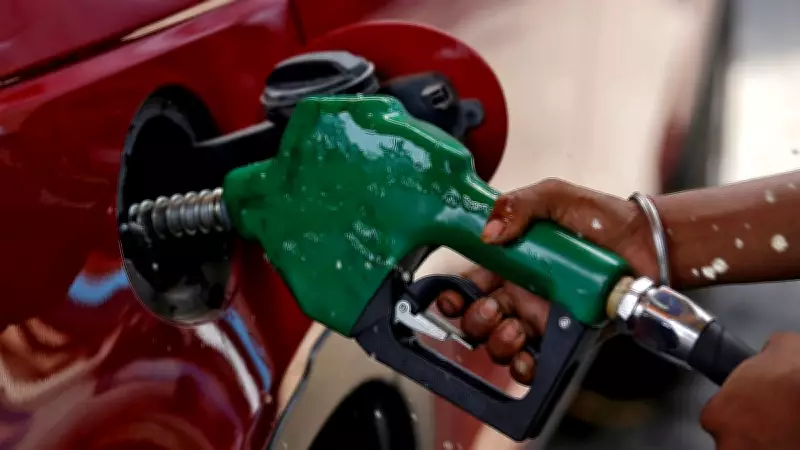
The reduction in excise duty is expected to lower the price of ethanol-blended petrol at the pump, making it more affordable for consumers. This could also encourage oil marketing companies to increase the supply of blended fuel.

Support for Ethanol Production
The move is likely to benefit sugar mills and distilleries that produce ethanol from sugarcane and other feedstocks. It aligns with the government's broader strategy to boost the ethanol sector, reduce pollution, and save foreign exchange.
Background
India has been progressively increasing the ethanol blending percentage in petrol. Earlier, the government had set a target of 10% ethanol blending, which has been achieved in most parts of the country. The new incentive for higher blending is expected to accelerate progress towards the 20% goal.
Industry experts have welcomed the decision, stating that it will provide a much-needed boost to the ethanol ecosystem. However, they also highlighted the need for consistent policy support and adequate feedstock availability to sustain the momentum.