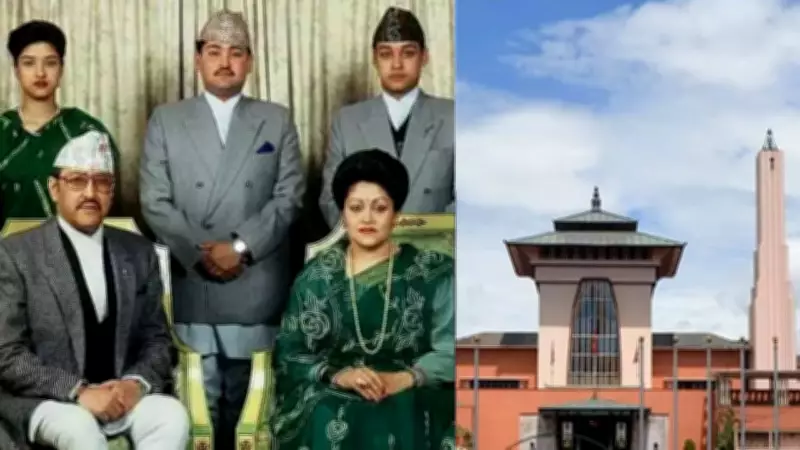
Nepal's government announced on Tuesday that it would reopen files related to the 2001 royal massacre, in which the entire family of then-King Birendra Shah was killed. Home Minister Sudan Gurung made the announcement shortly after reassuming office.
Background of the Massacre
On June 1, 2001, all family members of King Birendra, including Queen Aishwarya, were killed by then-Crown Prince Dipendra at the Narayanhiti Royal Palace during a Friday dinner party. An official investigation commission concluded that Dipendra, under the influence of alcohol, shot his father, mother, brother, sister, and other family members before turning the gun on himself. However, the commission's report was widely dismissed by many at the time, leading to persistent conspiracy theories.
Renewed Investigation
Gurung stated that all previous investigation files related to the incident would be reopened as part of a renewed probe. He emphasized the need for transparency and justice. Gurung had previously stepped down from the cabinet following allegations of financial irregularities and illegal asset accumulation. However, a government-formed investigation committee cleared him of all charges, paving the way for his reappointment.

The decision to reopen the case has sparked mixed reactions. Some see it as a step toward uncovering the truth, while others fear it may reopen old wounds. The royal massacre remains one of Nepal's most traumatic events, and its aftermath led to the abolition of the monarchy in 2008.