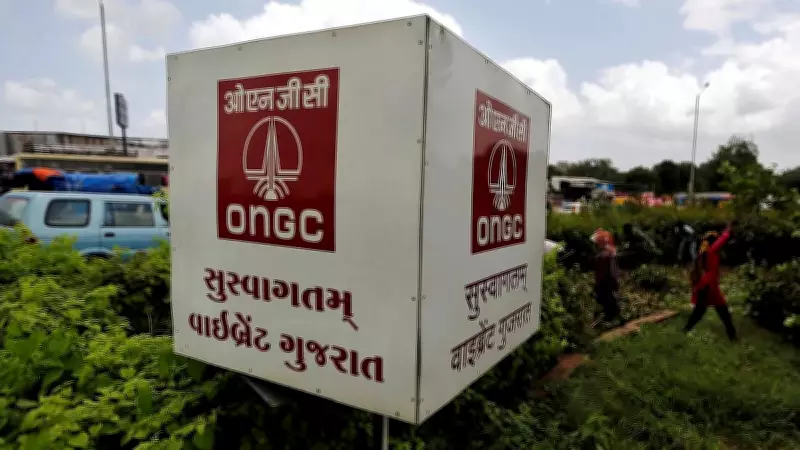
Government Announces Increase in Regulated Gas Price for ONGC and Oil India
The Indian government has officially raised the regulated gas price for state-owned oil and gas companies, Oil and Natural Gas Corporation (ONGC) and Oil India Limited (OIL), to $7 per million British thermal units (MMBTU). This significant adjustment, which comes into effect from October 1, 2024, marks a strategic move aimed at incentivizing domestic gas production and reducing the nation's reliance on costly imports.
Details of the Price Revision
The revised price of $7 per MMBTU applies specifically to gas produced from nomination fields operated by ONGC and OIL. These fields are allocated to the companies by the government under a regulated pricing mechanism, distinct from market-driven rates. The increase is part of a broader policy framework designed to align domestic gas prices more closely with international benchmarks, thereby providing a financial boost to producers.
This price hike is expected to have several immediate impacts:

- Enhanced Revenue for ONGC and OIL: The higher price will directly improve the profitability and cash flows of these public sector undertakings, enabling them to invest more in exploration and production activities.
- Stimulation of Domestic Production: By making gas extraction more economically viable, the government aims to encourage increased output from existing fields and support new discoveries.
- Reduction in Import Dependency: India currently imports a substantial portion of its natural gas requirements. Boosting domestic production can help mitigate this dependency, enhancing energy security and potentially stabilizing prices for consumers in the long run.
Context and Implications for the Energy Sector
The decision to raise the regulated gas price reflects ongoing efforts to reform India's energy pricing policies. Historically, gas prices in nomination fields have been set below market levels, which has sometimes discouraged investment in domestic projects. The new rate of $7 per MMBTU is seen as a step towards creating a more sustainable and competitive gas market.
Key stakeholders in the energy sector are likely to respond positively to this development:
- Investors: The price increase could make ONGC and OIL more attractive to investors, as improved earnings may lead to higher dividends and stock valuations.
- Consumers: While the immediate effect might not directly impact retail gas prices due to regulatory buffers, over time, increased domestic supply could help moderate costs for industries and households.
- Policy Makers: This move aligns with the government's broader objectives of promoting Atmanirbhar Bharat (self-reliant India) in the energy sector and supporting economic growth through enhanced industrial activity.
Looking ahead, the government may continue to review and adjust gas pricing mechanisms periodically to ensure they remain responsive to global market trends and domestic needs. This latest revision underscores a commitment to fostering a robust and self-sufficient energy ecosystem in India.