Recent bank scams in Haryana have sent shockwaves through the state's financial sector, leaving thousands of depositors in distress. The scams, which involve multiple cooperative banks and credit societies, have raised serious questions about regulatory oversight and the safety of public deposits. This explainer delves into the details of these fraud cases, their modus operandi, and the broader implications for the banking system.
Major Bank Scams in Haryana
Over the past few months, several cooperative banks and credit societies in Haryana have been embroiled in fraud cases. The most prominent among them include the Haryana Urban Cooperative Bank, the Haryana State Cooperative Bank, and various district central cooperative banks. These institutions have been accused of misappropriating funds, issuing fraudulent loans, and engaging in unauthorized investments.
Modus Operandi
The fraudsters typically exploited loopholes in the banking system. They created fake accounts, forged documents, and manipulated loan sanctioning processes. In many cases, bank officials colluded with borrowers to sanction loans without proper collateral or due diligence. The funds were then siphoned off through shell companies and fictitious entities.

- Fake Accounts: Fraudsters opened multiple accounts using forged identity documents and channeled funds into these accounts.
- Fraudulent Loans: Loans were sanctioned to non-existent entities or individuals with no repayment capacity.
- Unauthorized Investments: Bank officials invested depositors' money in high-risk ventures without approval, leading to losses.
Impact on Depositors
Thousands of depositors have been left in the lurch, unable to access their savings. Many of these deposits are not covered by deposit insurance, as cooperative banks often fall outside the purview of the Deposit Insurance and Credit Guarantee Corporation (DICGC). The state government has stepped in to provide some relief, but the compensation is often insufficient.
Regulatory Response
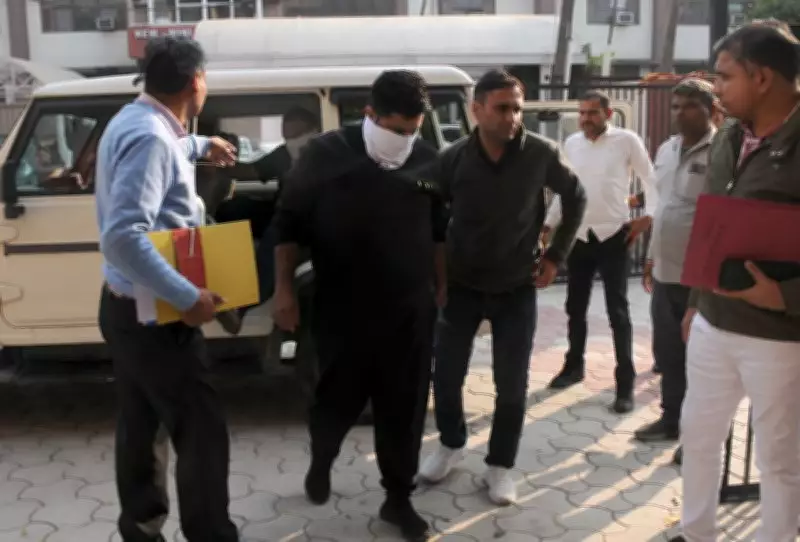
The Reserve Bank of India (RBI) and the National Bank for Agriculture and Rural Development (NABARD) have initiated inspections and audits of the affected banks. Several bank officials have been arrested, and the government has promised to strengthen the regulatory framework. However, critics argue that the oversight mechanisms are still weak.
Lessons Learned
The Haryana bank scams underscore the need for greater transparency and accountability in cooperative banking. Depositors are advised to verify the credentials of their banks and ensure that their deposits are insured. The government is also considering amending the law to bring all cooperative banks under the DICGC cover.
In conclusion, the bank scams in Haryana are a stark reminder of the vulnerabilities in the financial system. While efforts are underway to address the issue, depositors must remain vigilant and demand better protection for their hard-earned money.