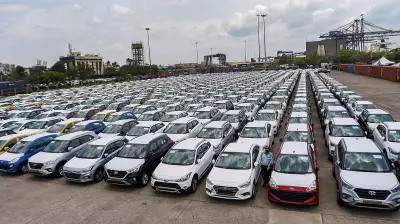
India stands at a critical juncture in its economic journey. With a burgeoning population and rising aspirations, the nation has every right to pursue wealth and prosperity. However, the traditional paths to economic growth, heavily reliant on resource exploitation and carbon-intensive industries, are no longer viable or desirable. India must forge a new way forward that is both ambitious and sustainable.
The Imperative for a New Economic Model
India's development trajectory cannot simply mimic that of Western nations. The environmental costs are too high, and the global context has shifted. Climate change, resource scarcity, and social inequality demand a fresh approach. India needs an economic model that prioritizes green technologies, digital innovation, and inclusive growth.
Key Pillars of a Sustainable Economy
- Green Energy Transition: India must accelerate its shift to renewable energy sources like solar and wind, reducing dependence on fossil fuels and cutting emissions.
- Digital Transformation: Leveraging technology to improve efficiency, create jobs, and enhance service delivery across sectors.
- Inclusive Growth: Ensuring that economic benefits reach all sections of society, particularly the marginalized and rural populations.
- Circular Economy: Promoting recycling and waste reduction to minimize environmental impact and create new economic opportunities.
Innovation as the Driver
India's strength lies in its young population and entrepreneurial spirit. By fostering innovation, the country can leapfrog traditional development stages. Startups in clean energy, agri-tech, and digital services are already showing the way. Policy support, investment in research, and a robust intellectual property regime are crucial to sustain this momentum.

Challenges to Overcome
Transitioning to a new economic model is fraught with challenges. Infrastructure gaps, regulatory hurdles, and skill shortages must be addressed. Moreover, the political will to make tough choices, such as phasing out subsidies for fossil fuels, is essential. International cooperation and technology transfer can also play a vital role.
Conclusion
India's quest for wealth is legitimate, but the path must be reimagined. A sustainable, inclusive, and innovative economy is not just an option but a necessity. By embracing this new way, India can secure a prosperous future for its citizens while contributing to global sustainability goals.