

India's retail inflation, as measured by the Consumer Price Index (CPI), rose to 3.48% in April 2025, up from 3.29% in March, according to government data released on Monday. The increase was primarily driven by higher food prices, which account for nearly half of the CPI basket.
Food Inflation Accelerates
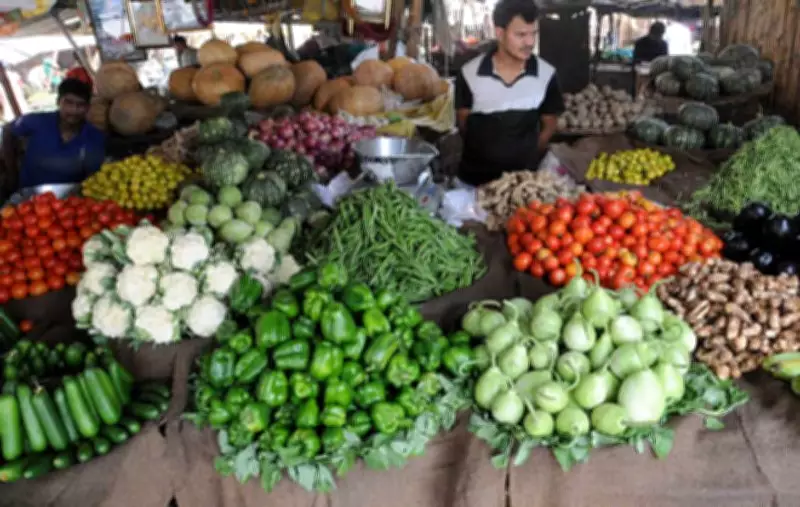
Food inflation, which includes items such as cereals, vegetables, and pulses, rose to 4.12% in April, compared to 3.85% in the previous month. Vegetable prices saw a significant uptick, with inflation surging to 8.9% from 6.5% in March. Prices of pulses also hardened, rising by 7.2% year-on-year.
Core Inflation Remains Stable
Core inflation, which excludes volatile food and fuel prices, remained steady at around 3.1% in April. This suggests that underlying price pressures are contained, offering some comfort to policymakers.

Rural vs Urban Inflation
Rural inflation stood at 3.65%, slightly higher than urban inflation at 3.28%. The divergence is largely due to higher food prices in rural areas, where food constitutes a larger share of consumption.
Fuel and Transport Costs
Fuel and light inflation moderated to 2.1% in April, down from 2.4% in March, reflecting stable global oil prices. However, transport and communication inflation edged up to 2.5% from 2.3%, driven by higher fares and vehicle prices.
Central Bank's Stance
The Reserve Bank of India (RBI), which targets CPI inflation at 4% with a tolerance band of +/- 2 percentage points, has kept the repo rate unchanged at 6.50% for the past seven policy meetings. The uptick in inflation may delay any potential rate cuts, as the RBI remains cautious about price stability.
Economists expect inflation to remain within the RBI's target range in the coming months, barring any supply shocks from adverse weather or global commodity price spikes. The government has taken several measures to cool food prices, including releasing stocks of pulses and imposing stock limits on certain commodities.
The data comes ahead of the RBI's next monetary policy review in June, where the central bank will assess the inflation trajectory and growth dynamics before deciding on interest rates.






