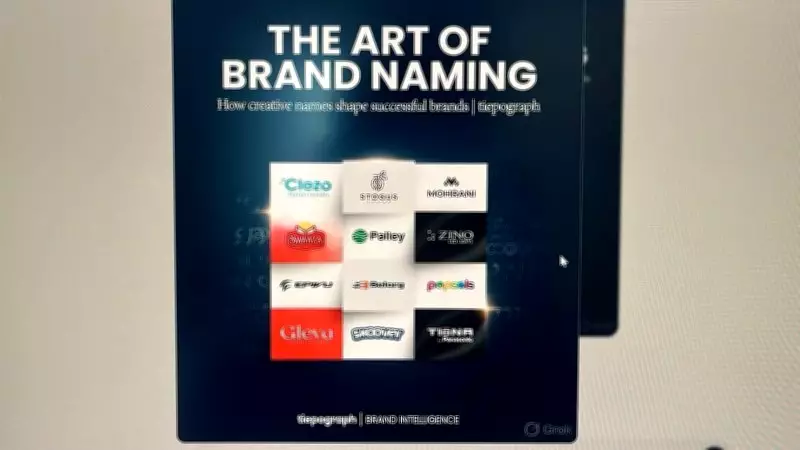
The direct-to-consumer (D2C) boom in India has created a naming crisis, with many startups struggling to find unique and available brand names. As the market becomes saturated, entrepreneurs face the challenge of securing trademarks and distinguishing their products. However, branding experts believe there is a solution: a combination of strategic trademark searches and creative naming techniques.
The Rise of D2C and the Naming Challenge
India's D2C sector has exploded in recent years, driven by increased internet penetration, digital payments, and a shift in consumer behavior. Thousands of new brands have emerged across categories like personal care, food, and fashion. This rapid growth has led to a scarcity of memorable and legally available names. Many startups inadvertently choose names that are already trademarked, leading to legal disputes and rebranding costs.
Why Names Are Running Out
The problem is twofold. First, the English language has a finite set of common words and combinations. Second, the Indian trademark registry has a backlog, making it time-consuming to check availability. As a result, many D2C brands opt for generic or descriptive names, which are often weak in terms of trademark protection. Others resort to misspellings or adding words like 'co' or 'store,' which can confuse consumers.

Expert Solutions for Brand Naming
Branding experts suggest a multi-pronged approach to overcome this crisis. Strategic trademark searches are essential before finalizing a name. Using professional trademark attorneys or advanced software can help identify potential conflicts early. Additionally, creative naming techniques such as coining new words, using portmanteaus, or drawing from Indian languages can create distinctive and protectable brands.
The Power of Unique Names
Unique names not only avoid legal issues but also build stronger brand recall. For example, brands like 'Bombay Shaving Company' and 'Mamaearth' stand out because they are distinctive and tell a story. Experts recommend avoiding generic terms and instead focusing on names that evoke emotions or reflect the brand's ethos. “A great name is a brand’s first impression,” says a branding consultant. “It should be easy to pronounce, memorable, and legally available.”
Practical Steps for D2C Founders
For entrepreneurs entering the D2C space, the following steps can help avoid naming pitfalls:
- Conduct a thorough trademark search using official databases and professional services.
- Brainstorm multiple options and test them with target audiences for pronunciation and recall.
- Consider coining new words or using combinations that are not already in common use.
- Check domain and social media availability to ensure online presence consistency.
- Register the trademark early to secure rights and prevent copycats.
The Role of Digital Strategy
In the digital age, a brand's name is closely tied to its online identity. A unique name makes it easier to rank in search engines and dominate social media handles. Moreover, a strong name can reduce marketing costs by being inherently memorable. Experts advise D2C brands to invest in naming as a strategic asset rather than an afterthought.
Conclusion
While the naming crisis is a real challenge for India's D2C boom, it is not insurmountable. By adopting a systematic approach to trademark searches and embracing creativity, entrepreneurs can find names that are both legally sound and commercially effective. As the market continues to evolve, those who prioritize branding will have a competitive edge. The solution lies not just in finding a name, but in crafting an identity that resonates with consumers and stands the test of time.