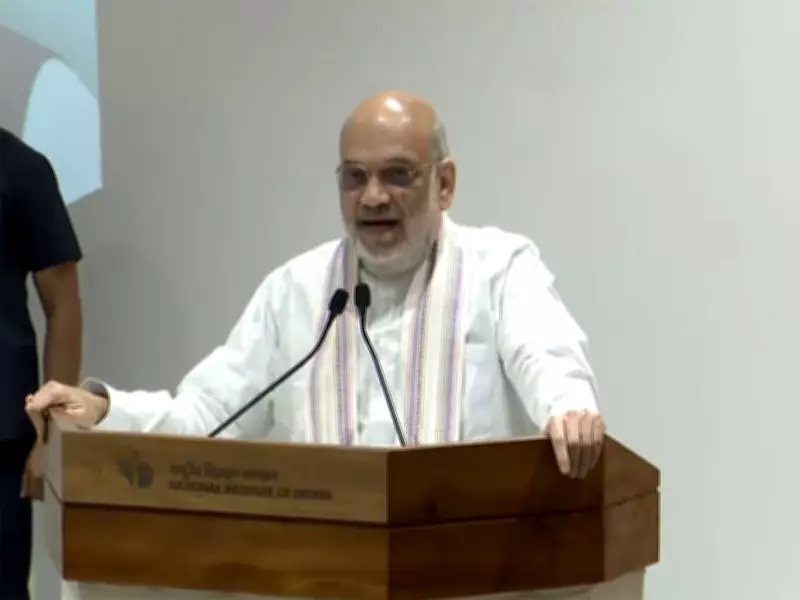
India's design landscape is undergoing a significant transformation as industry leaders shift their focus from pure creativity to commercialisation, aiming to position the nation as a global innovation leader. This strategic pivot emphasises the monetisation of intellectual property (IP) and market-driven design solutions.
From Creativity to Commercialisation
For years, Indian design has been celebrated for its artistic flair and cultural richness. However, the new wave of design thinking prioritises practical applications and economic value. Leaders in the sector argue that for India to compete on the world stage, design must be integrated into business models, driving growth and competitiveness.
Key Drivers of the Shift
Several factors are propelling this change. First, the government's push for 'Make in India' and 'Digital India' has created a demand for innovative products that are both functional and aesthetically pleasing. Second, the rise of startups and tech companies has increased the need for user-centric design that can be scaled globally. Third, there is a growing recognition of design as a critical tool for solving complex societal challenges, from healthcare to sustainability.

Industry experts highlight that commercialisation involves protecting design IP through patents and trademarks, and then licensing or selling these assets. This approach not only generates revenue but also encourages further innovation. For instance, Indian design firms are now collaborating with international brands to create products that blend local craftsmanship with global appeal.
Challenges and Opportunities
Despite the enthusiasm, the transition is not without hurdles. Many designers lack business acumen, and the ecosystem for design entrepreneurship is still nascent. Additionally, IP enforcement remains a challenge, with piracy and counterfeiting affecting profits. However, the opportunities are immense. With a young population and a rapidly growing economy, India has the potential to become a design powerhouse.
Global Leadership Aspirations
India's design leaders are eyeing global leadership by fostering a culture of innovation that starts in educational institutions. Design schools are revamping curricula to include business and law modules, preparing students for the commercial realities of the industry. Moreover, industry bodies are advocating for stronger IP laws and better access to funding for design startups.
The shift towards commercialisation is already yielding results. Several Indian design patents have been filed in the US and Europe, and Indian-designed products are gaining traction in markets like Japan and Germany. As the world becomes more interconnected, India's unique blend of tradition and modernity positions it well for the next wave of global innovation.
In conclusion, India's design ambition is no longer just about aesthetics; it is about creating economic value and solving real-world problems. By embracing commercialisation, the country is setting the stage for a future where Indian design leads the world in innovation and impact.