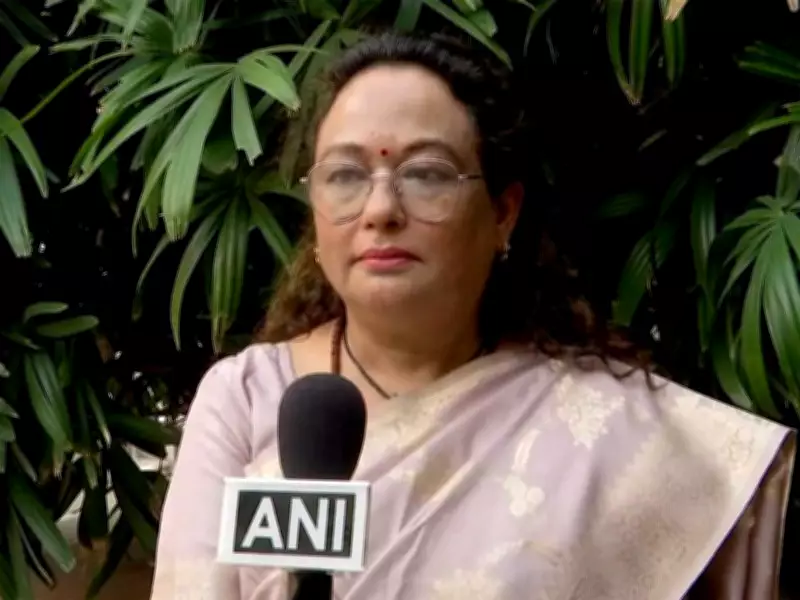
India's ability to mount a coordinated response during the Strait of Hormuz crisis has set a global benchmark, with the country achieving near-zero supply disruptions despite heavy import dependence, according to Sushma Rawat, former Director of Exploration at ONGC.
Global Recognition for India's Crisis Management
Rawat told ANI that India would score nine out of ten if global government performance during the crisis were rated. She called the government's handling of the disruption credible, given India's multilayered demand, vast population, and logistically challenging geography.
Despite 85 per cent crude import dependence and 80-90 per cent of LNG coming through the Strait of Hormuz, primarily from Qatar, India experienced only a two to three per cent initial price impact, compared to 40 per cent increases in the US and Europe, Rawat noted.

Financial Buffers and Supply Stability
Rawat highlighted that the financial buffer created by the Indian government, through absorbing losses and under-recoveries, protected the common man from difficulties. Public sector undertakings absorbed the losses, ensuring that supply disruptions were almost negligible and black marketing was nipped in the bud.
She also pointed to rapid rebalancing in the LPG sector, including a 30 per cent reduction in industrial use to channel supply towards domestic needs, coupled with pricing adjustments and a fast-track shift to piped natural gas in metropolitan areas.
Infrastructure and Diplomatic Efforts
New pipelines have been laid, and steps taken against double connectivity, freeing cylinders for logistically difficult areas. Rawat emphasized that more than 50 per cent of the successful outcome was due to diplomacy, stating that being good at geopolitics ensures access to sources anywhere.
India did not take sides and stressed that the world must be ensured supply of energy, as it is a requirement for everyone. The approach, leveraging ties with Russia, Gulf countries, and others, along with government efforts, ensured that vessels intermittently continued passing through Hormuz.
Diversification and Future Resilience
Rawat said India is diversifying sources, accelerating domestic gas use, and expanding PNG to reduce exposure. She concluded that decades of friendship building underpin today's resilience, and many people across the world would have been surprised at how India handled its energy disruption.