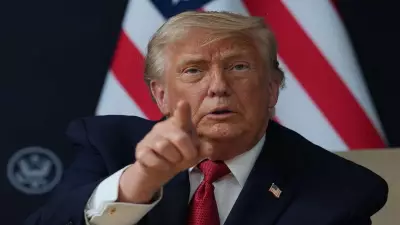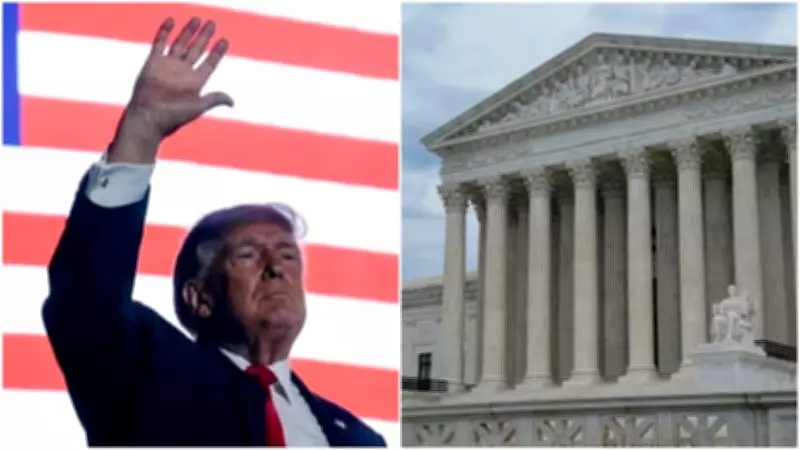
The US Supreme Court on Monday ruled that President Donald Trump can fire members of the Federal Trade Commission (FTC) without cause, a decision that significantly expands presidential authority over independent agencies. The 6-3 ruling, split along ideological lines, held that the FTC's structure, which had protected commissioners from removal except for inefficiency or malfeasance, violated the separation of powers.
Expansion of Executive Power
Writing for the majority, Justice Samuel Alito stated that the Constitution vests the executive power solely in the president, and that includes the power to remove principal officers. The court found that the FTC's for-cause removal provision impermissibly restricted the president's ability to control the execution of federal law. The decision overturns a precedent from 1935 that had upheld similar protections for the FTC.
According to the court, the president must have unfettered discretion to remove those who execute the laws. This ruling could affect other independent agencies, such as the Securities and Exchange Commission and the Federal Communications Commission, which have similar removal protections.

Federal Reserve Independence Preserved
However, the court signaled that Monday's decision should not be seen as undermining the Federal Reserve's independence. The justices described the U.S. central bank as possessing a unique historical tradition, noting that its monetary policy functions are unlike those of other agencies. The opinion explicitly stated that the Fed's structure was not at issue in this case, leaving its independence intact.
Justice Elena Kagan, writing for the dissent, warned that the ruling could politicize agencies that were designed to be insulated from partisan pressure. She argued that the decision undermines the expertise and impartiality that independent agencies bring to regulation.
Immediate Impact and Reactions
The White House praised the decision as a victory for accountability. Press Secretary Sarah Huckabee Sanders said, "President Trump is committed to ensuring that the government works for the American people, and this ruling allows him to hold unaccountable bureaucrats responsible." Consumer advocacy groups expressed concern, arguing that the FTC's consumer protection and antitrust enforcement could become subject to political whims.
The FTC is currently pursuing several high-profile antitrust cases against major technology companies. Legal analysts say the ruling could allow the president to replace commissioners who are pursuing cases he disagrees with, potentially altering the trajectory of those investigations.
Legal and Political Ramifications
The decision is the latest in a series of Supreme Court rulings that have strengthened presidential power. It follows the court's 2020 decision that the president could not be prosecuted for official acts while in office. Monday's ruling is expected to be cited in ongoing challenges to the structure of other federal agencies.
Senator Elizabeth Warren, a frequent critic of the administration, called the ruling "a dangerous power grab" and pledged to introduce legislation to reestablish the FTC's independence. However, such legislation would face an uphill battle in a divided Congress.
The court's decision applies only to the FTC, but its reasoning could extend to other agencies with similar removal protections. The justices did not address the constitutionality of other independent agencies, leaving that question for future cases.