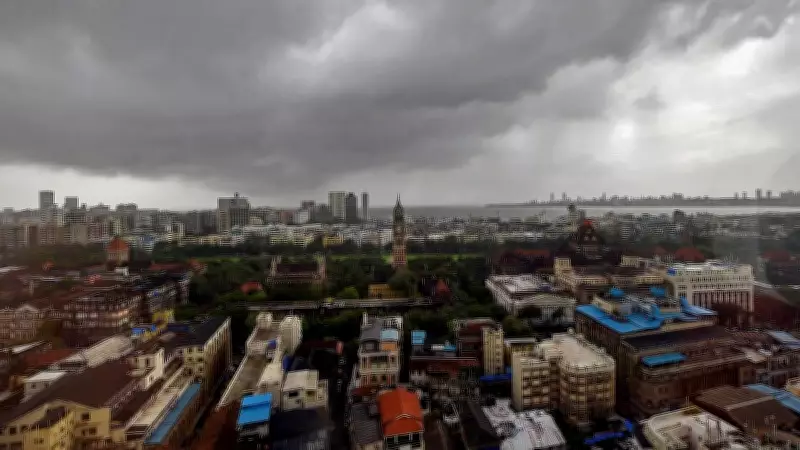
India's monsoon, the lifeblood of its agriculture and economy, is showing worrying signs of faltering. As of mid-August 2024, the country has received 9% less rainfall than normal, with some regions experiencing deficits of over 30%. This shortfall has raised alarms among meteorologists, policymakers, and farmers, who depend on the June-September monsoon for over 70% of the country's annual rainfall.
Deficit Across Regions
The India Meteorological Department (IMD) reports that the northwest and central parts of India are the worst affected. Punjab and Haryana, key agricultural states, have seen a 35% deficit, while Uttar Pradesh and Madhya Pradesh face a 20% shortfall. In contrast, southern states like Kerala and Tamil Nadu have received excess rainfall, leading to localized flooding. This uneven distribution has compounded the challenges for water management.
According to a senior IMD official, the monsoon's behavior is increasingly erratic due to climate change. "The frequency of dry spells and intense rainfall events has increased over the past decade," the official said. "This year, the monsoon trough has been weaker, leading to prolonged dry periods."

Impact on Agriculture and Economy
Agriculture, which employs nearly half of India's workforce, is the first casualty of a weak monsoon. Kharif crops like rice, sugarcane, and cotton are at risk. The Ministry of Agriculture estimates that paddy sowing is down by 12% compared to last year, with farmers delaying planting due to insufficient soil moisture. Cotton and soybean areas have also shrunk. This could lead to lower yields and higher food prices, exacerbating inflation.
According to a report by the Centre for Science and Environment, the monsoon deficit could reduce India's agricultural GDP by 1.5% in the current fiscal year. "If the shortfall persists, we could see a significant impact on rural incomes and consumption," said an economist at the National Institute of Public Finance and Policy.
Water Security and Urban Impact
The faltering monsoon also threatens water security in urban areas. Reservoirs across the country are at 60% of their capacity, down from 75% last year. Major cities like Delhi, Bengaluru, and Hyderabad face water shortages, with some areas already imposing restrictions. The Central Water Commission warns that if the deficit continues, drinking water supplies could be affected in 100 districts.
Groundwater levels are also declining. In states like Rajasthan and Gujarat, the water table has dropped by 2 meters in some regions. This has forced farmers to rely more on groundwater for irrigation, further depleting aquifers.
Climate Change and Future Outlook
Scientists attribute the erratic monsoon to rising global temperatures. A study by the Indian Institute of Tropical Meteorology found that the frequency of extreme rainfall events has increased by 30% in the last 50 years, while the number of dry days has also risen. This paradox is making monsoon prediction more challenging.
The government has launched several initiatives to mitigate the impact, including the National Mission for Sustainable Agriculture and the Jal Shakti Abhiyan. However, experts argue that more needs to be done to adapt to changing rainfall patterns. "We need to invest in water harvesting, efficient irrigation, and drought-resistant crops," said a climate policy analyst at the Energy and Resources Institute.
Conclusion
As the monsoon season enters its final phase, the outlook remains uncertain. The IMD predicts normal rainfall in the remaining weeks, but the damage to crops and water resources may already be done. The signals from this faltering monsoon are clear: India must urgently address its water and climate challenges to ensure food and water security for its growing population.