Trump Threatens Retaliatory Tariffs Over Digital Services Tax
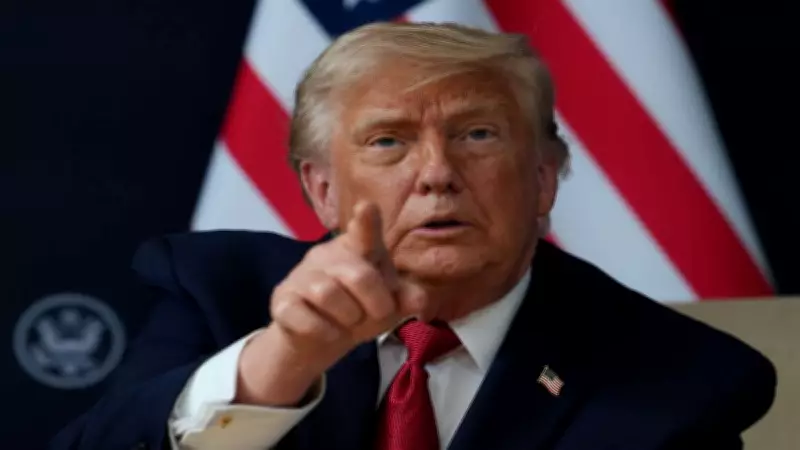
US President Donald Trump has threatened to impose a 100% tariff on imports from European countries if they proceed with plans to tax digital services provided by American technology companies. The warning, issued during a press conference at the White House, marks a significant escalation in trade tensions between the United States and Europe.
Trump stated, "If any country dares to tax our great American companies, we will tax their products at 100%. We are not going to let them take advantage of us." The threat specifically targets the European Union's proposed Digital Services Tax (DST), which would impose a 3% levy on revenues of large tech firms like Google, Apple, Facebook, and Amazon.
Details of the Proposed Digital Services Tax
The European Commission has been pushing for a digital services tax to ensure that tech giants pay their fair share of taxes in countries where they generate significant profits. The tax would apply to companies with annual global revenues exceeding €750 million and EU revenues above €50 million. Proponents argue that current tax rules allow these firms to shift profits to low-tax jurisdictions.

According to EU estimates, the digital services tax could generate up to €5 billion annually, which would be used to fund economic recovery efforts post-pandemic. However, the US views this as discriminatory against American companies. US Trade Representative Robert Lighthizer has previously stated that the tax is "unfair and burdensome" to US businesses.
Impact on Trade Relations
The threat of 100% tariffs could have severe consequences for transatlantic trade. In 2025, the US imported approximately €300 billion worth of goods from the EU, including machinery, vehicles, and pharmaceuticals. A 100% tariff would effectively double the cost of these imports, leading to higher prices for American consumers and potential retaliation from European nations.
European Commission President Ursula von der Leyen responded by saying, "The EU is committed to fair taxation. We will not bow to threats and will defend our interests. If the US imposes tariffs, we will respond in kind." The EU has already prepared a list of US products worth $20 billion that could face retaliatory tariffs, including bourbon, motorcycles, and agricultural goods.
Historical Context and Previous Conflicts
This is not the first time Trump has threatened tariffs over digital taxes. In 2024, the US launched an investigation into digital services taxes in several countries, including France, Italy, and Spain, under Section 301 of the Trade Act of 1974. That investigation led to threats of tariffs on French wine and other luxury goods, which were later suspended after a temporary agreement was reached at the OECD.
The OECD has been working on a global minimum tax deal that would address the taxation of digital services. However, negotiations have stalled due to disagreements among member countries. The US has argued that unilateral digital taxes violate international tax norms and undermine the OECD process.
Economic Consequences and Expert Opinions
Economists warn that a full-blown trade war could harm global economic growth. The International Monetary Fund (IMF) has estimated that a 100% tariff on EU imports could reduce US GDP by 0.5% and EU GDP by 1.2% over two years. Additionally, supply chain disruptions could affect industries reliant on transatlantic trade.
According to a report by the Peterson Institute for International Economics, the US and EU are each other's largest trading partners, with two-way trade in goods and services exceeding $1 trillion annually. A trade war would not only increase costs for businesses but also damage diplomatic relations.
Next Steps and Potential Outcomes
The US has given European countries a 30-day ultimatum to abandon their digital services tax plans. If no progress is made, the US Trade Representative is expected to release a list of EU products that would be subject to 100% tariffs. The EU has indicated that it will take the matter to the World Trade Organization (WTO) if the US follows through on its threat.

Industry groups on both sides of the Atlantic have urged restraint. The US Chamber of Commerce warned that tariffs would "harm American workers and consumers" and called for a negotiated solution. Similarly, BusinessEurope, a leading EU business association, stated that "a trade war is in nobody's interest."
Broader Implications for Global Tech Regulation
The dispute over digital services taxes is part of a larger debate about how to regulate the global tech industry. Many countries, including India, Brazil, and Canada, have introduced or are considering similar taxes. The US has opposed these measures, arguing that they unfairly target American companies.
If the US imposes tariffs on EU imports, it could set a precedent for other trade disputes. Some analysts believe that the US is using the threat of tariffs to pressure Europe into agreeing to a global tax framework that is more favorable to US interests. However, European leaders have shown little willingness to back down.
The situation remains fluid, with both sides preparing for potential escalation. The next few weeks will be critical in determining whether the US and EU can reach a compromise or whether they are headed for a costly trade war.