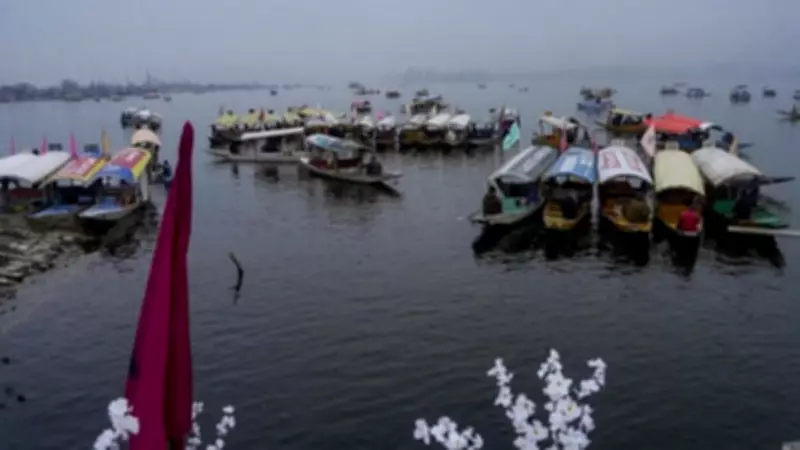
Dal Lake Shrinks to One-Third of Original Size
Dr Karan Singh, veteran politician and environmentalist, has warned that Dal Lake in Srinagar has shrunk to just one-third of its original size, signaling a broader ecological crisis in the Himalayan region. The alarming reduction underscores the urgent need for conservation measures to protect Kashmir's fragile ecosystem.
Ecological Decline in the Himalayas
Speaking at a recent environmental forum, Dr Singh emphasized that the shrinkage of Dal Lake is not an isolated incident but part of a larger pattern of ecological degradation across the Himalayas. He pointed to unchecked urbanization, encroachment, and climate change as primary drivers of the lake's decline. According to experts, the lake's surface area has diminished from about 22 square kilometers to roughly 7 square kilometers over the past few decades.
Environmental scientists have long warned that the loss of lakes and wetlands in the region threatens biodiversity and water security. These ecosystems act as natural buffers against floods and provide habitat for migratory birds and aquatic life. Their degradation also impacts the livelihoods of thousands who depend on tourism and fishing.

Call for Urgent Action
Dr Karan Singh called for a comprehensive restoration plan involving dredging, sewage treatment, and strict enforcement of building regulations. He urged the government to declare Dal Lake a protected heritage site and allocate dedicated funds for its revival. 'If we fail to act now, we risk losing not just a lake but an entire ecosystem that sustains life in the valley,' he said.
Experts echo this sentiment, noting that protecting Kashmir's lakes, wetlands, and glaciers is vital for preserving the region's unique ecology and for safeguarding river systems that provide water to millions downstream. The shrinking of glaciers in the Himalayas further compounds the problem, as they feed the rivers that replenish the lakes.
Broader Implications for Water Resources
The decline of Dal Lake has far-reaching consequences for water availability in the region. The lake serves as a crucial reservoir for irrigation and drinking water in the Kashmir Valley. Its reduced capacity exacerbates water scarcity during dry months and increases the risk of flooding during heavy rains due to siltation and reduced storage.
Environmentalists recommend a multi-pronged approach: controlling pollution from houseboats and hotels, restoring natural water channels, and engaging local communities in conservation efforts. They also stress the need for scientific monitoring of water quality and lake depth to track progress.
Dr Singh's warning comes at a time when Himalayan ecosystems face unprecedented pressure from development and climate change. The loss of Dal Lake is a stark reminder of the urgent need for sustainable policies to protect these fragile environments for future generations.