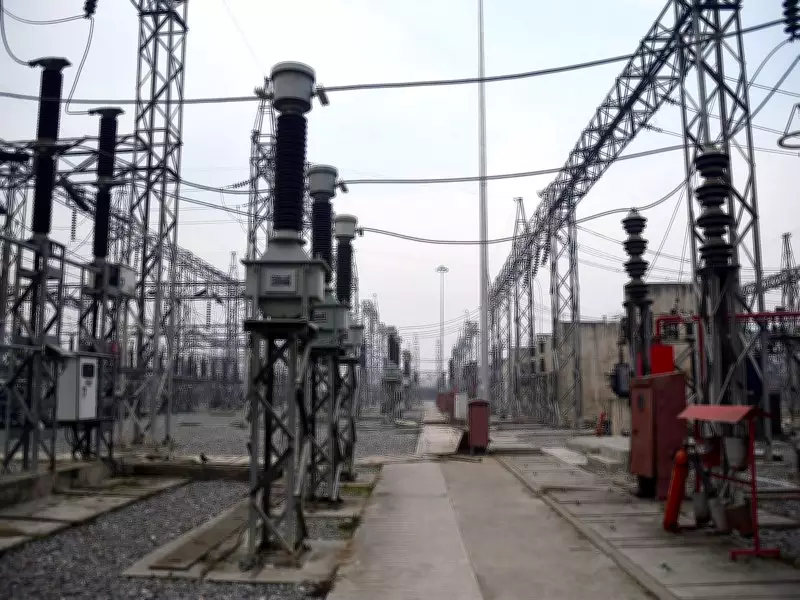
India's power transmission infrastructure is poised for a massive upgrade worth Rs 9 trillion as the country accelerates its push for renewable energy, according to a recent report. The investment is aimed at strengthening the grid to handle the increasing share of solar and wind power, which are variable in nature.
Key Highlights of the Upgrade Plan
The report, prepared by a leading consulting firm, outlines a comprehensive plan to modernize the transmission network over the next decade. It emphasizes the need for high-capacity corridors to evacuate power from renewable-rich states like Rajasthan, Gujarat, and Tamil Nadu to demand centers across the country.
Investment Breakdown
Of the total Rs 9 trillion, approximately Rs 5 trillion will be allocated for new transmission lines and substations, while the remaining Rs 4 trillion will go towards upgrading existing infrastructure and integrating smart grid technologies. This includes the installation of advanced monitoring systems and energy storage solutions to ensure grid stability.

Renewable Energy Targets Driving the Need
India has set an ambitious target of achieving 500 GW of renewable energy capacity by 2030. To meet this goal, the transmission network must be capable of handling the intermittent nature of renewable sources. The upgrade will enable the evacuation of power from large solar parks and wind farms, reducing curtailment and improving efficiency.
Challenges and Opportunities
One of the major challenges is the right-of-way issues for new transmission lines, which often face delays due to land acquisition problems. The report suggests using underground cables and adopting newer technologies like high-voltage direct current (HVDC) systems to overcome these hurdles. Additionally, it calls for greater private sector participation through public-private partnerships.
The upgrade is expected to create numerous job opportunities in the power sector, from engineering and construction to operations and maintenance. It will also boost the domestic manufacturing of transmission equipment, aligning with the government's 'Make in India' initiative.
Impact on Consumers and Economy
A robust transmission network will lead to a more reliable power supply, reducing outages and voltage fluctuations. This is crucial for industrial growth and improving the quality of life for households. The report estimates that the investment could add up to 2% to India's GDP over the next decade, while also helping the country meet its climate commitments under the Paris Agreement.
The government has already taken steps to expedite the upgrade, including the establishment of a dedicated transmission planning agency and the streamlining of clearances for new projects. The report concludes that timely implementation of the plan is critical for India's energy transition and economic development.