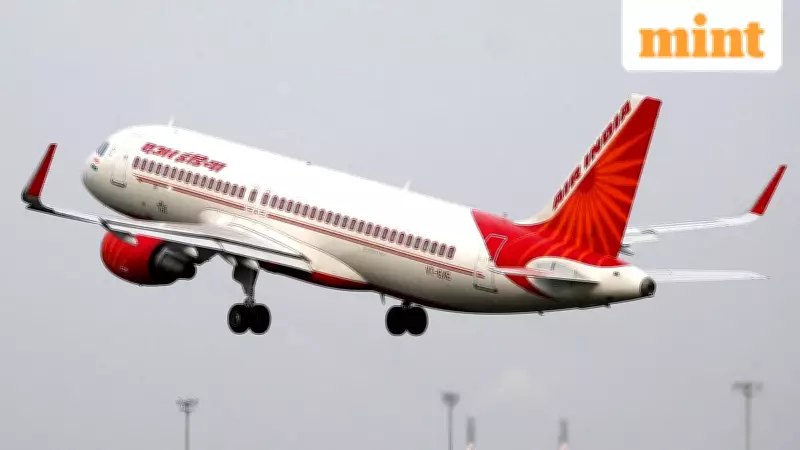
India's aviation sector is poised for significant expansion as the country's leading airlines—IndiGo, Air India, and Akasa Air—are set to collectively add 240 aircraft over the next two years. This ambitious move will increase their combined fleet size by an impressive 30%, marking a robust recovery from recent delays and slowdowns in route expansion plans, both domestically and internationally.
Current Fleet and Projected Growth
Currently, the three carriers operate a combined total of 804 aircraft. With the planned additions, this number is expected to swell to 1,044 by the end of 2027. Airlines in India are projected to receive an average of 10 aircraft every month in the coming years, with Airbus and Boeing accounting for 80% of these deliveries, according to top executives from both companies.
Airbus's Perspective on India's Aviation Boom
Jürgen Westermeier, President and Managing Director of Airbus India & South Asia, emphasized India's pivotal role in global aviation growth. Speaking at Wings India 2026, Asia's largest civil aviation event held in Hyderabad, he stated, "India is our fastest-growing market, even faster than China. In Europe, it is now a replacement market. So, India is where the growth is." Airbus projects deliveries of two aircraft per week on average for the next decade.

Airbus currently has a delivery backlog of 1,250 aircraft over a 10-year period in India, primarily driven by orders from IndiGo and Air India. IndiGo's order stands at nearly 900 aircraft, while the Air India Group has placed orders for around 350. In 2025, Airbus delivered 55 aircraft in India, all to IndiGo, representing nearly 7% of its global deliveries. Westermeier anticipates peak deliveries to reach 150 aircraft per year, likely around 2032.
Boeing's Strategy and Deliveries in India
On the other hand, Boeing is targeting 25 deliveries in India for 2026, following an expansion at its US facilities. Salil Gupte, President of Boeing India and South Asia, explained, "On an average, you can expect, over the next couple years, roughly two aircraft a month. And in some months, it’ll be more, and some months it’ll be less, and some months there’ll be a wide-body aircraft in there as well." He clarified that this is not a fixed monthly target, with deliveries mostly consisting of narrow-body aircraft, supplemented by wide-body planes periodically.
The Air India Group—comprising full-service carrier Air India and no-frills airline Air India Express—along with Akasa Air, are Boeing's largest buyers in India. The Air India Group has orders for 190 Boeing jets, including both narrow and wide-body aircraft. This year, the group expects 20-24 aircraft deliveries from both Airbus and Boeing, customized to their specific needs.
Air India's Fleet Enhancement Plans
Air India's Chief Executive, Campbell Wilson, announced at Wings India that the company has placed new orders for 30 narrow-body aircraft with Boeing, confirming options placed in 2023. Additionally, 15 of its existing narrow-body jet orders with Airbus will be upgraded to the long-range narrow-body XLRs. This upgrade is strategic, enabling Air India to tap into overseas markets more effectively, following rival IndiGo's recent deployment of similar aircraft on routes like Mumbai-Athens and Delhi-Athens.
Wilson highlighted, "This additional order for 30 Boeing 737 aircraft is part of our broader fleet strategy to position Air India firmly for the future. Building on our 2023 orders and subsequent additions, this order supports steady deliveries and fleet upgrades planned over the next few years."
Akasa Air's Expansion Trajectory
Akasa Air, India's youngest airline and the third-largest player, initially placed orders for 226 aircraft exclusively with Boeing. It currently has a pending order of 194 jets from the American plane-maker. The airline inducted two Boeing jets this month, with two more deliveries expected in February, underscoring its rapid growth in the competitive Indian aviation market.

Industry Insights and Expert Analysis
Mark D. Martin, an aviation expert and CEO of Gurugram-based Marin Consulting, noted, "If aircraft deliveries come in as promised, these would be among the largest in recent times in India. While Airbus manufacturing is on track and deliveries are generally on time, Boeing has ramped up capacities recently after getting approvals from the US regulator."
As of now, IndiGo leads with a fleet size of 440, followed by Air India at 297, Akasa Air at 32, and SpiceJet with approximately 35 aircraft. This fleet expansion signals a transformative phase for Indian aviation, driven by increasing demand and strategic investments from key players.