

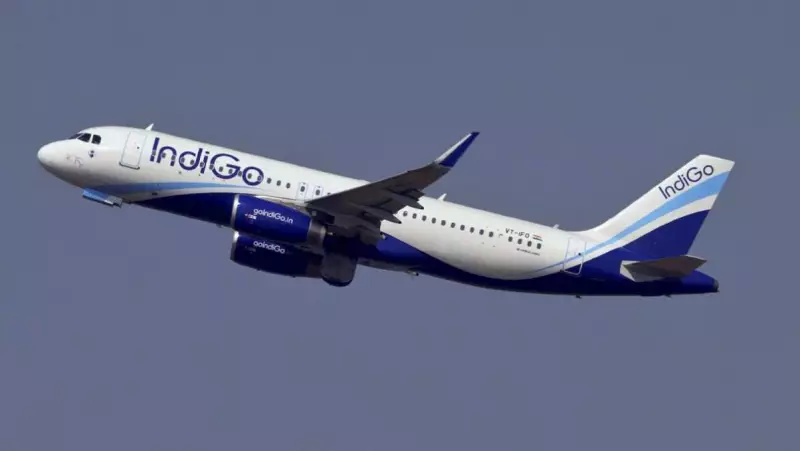
Hundreds of air travelers across India faced significant disruptions as the country's largest carrier, IndiGo, was forced to cancel a substantial number of flights on Tuesday, December 3, 2024. The airline cited a combination of operational challenges, including crew availability issues and technical problems, leading to a cascading effect on its schedule.
What Caused the Massive Disruption?
In an official statement, IndiGo acknowledged the cancellation of over 70 flights across its network. While initial passenger reports and industry sources pointed directly towards a shortage of cabin crew, the airline attributed the disruptions to a confluence of factors. A spokesperson explained that the situation resulted from unforeseen crew unavailability coupled with persistent technical issues with some aircraft. Furthermore, the airline noted that airport congestion at key hubs like Delhi exacerbated the delays and operational hurdles, making recovery more difficult.
The cancellations were not confined to a single route but impacted both domestic and international services. Major airports including Indira Gandhi International Airport (DEL) in Delhi, Chhatrapati Shivaji Maharaj International Airport in Mumbai, and Kempegowda International Airport in Bengaluru saw the highest number of affected flights. The ripple effect caused delays on numerous other flights throughout the day as the airline worked to reposition aircraft and crew.

Passenger Frustration and Airline Response
The sudden cancellations left passengers stranded at airports, leading to long queues at customer service desks and helpline numbers flooded with calls. Travelers took to social media to express their frustration, sharing stories of missed connections, important events, and business meetings.
In response to the crisis, IndiGo activated its customer service protocol. The airline stated that all affected passengers were being notified through SMS and email. They were offered the choice of a full refund or a rescheduling on an alternative flight at no extra cost. The airline also advised passengers to check their flight status via the IndiGo website or mobile app before heading to the airport.
"We sincerely regret the inconvenience caused to our passengers," the airline's statement read. "Our teams are working tirelessly to minimize the impact and normalize operations." The airline also emphasized that passenger safety remained its utmost priority, and the decisions were taken to ensure a safe and reliable operation.
Broader Impact and Industry Context
This large-scale disruption highlights the fragile nature of airline operations, where a single point of failure can have a network-wide impact. The mention of crew shortages points to an ongoing industry challenge in India, where rapid fleet expansion sometimes outpaces the training and availability of certified personnel.
Similarly, technical snags are a critical concern, as they require immediate attention and can sideline aircraft unexpectedly. The added factor of airport congestion, especially during peak hours, reduces the flexibility airlines have to manage such disruptions efficiently. This event serves as a stark reminder of the complex logistics involved in running a mega-carrier like IndiGo, which operates over 2,000 daily flights.
As of late evening on December 3, IndiGo reported that its operations were gradually stabilizing. However, passengers were cautioned that some residual delays might continue into the next day as the airline worked to clear the backlog. The Directorate General of Civil Aviation (DGCA), India's aviation regulator, is likely monitoring the situation, especially regarding compliance with passenger compensation norms outlined in the Civil Aviation Requirements (CAR).
For travelers, the incident underscores the importance of having travel insurance and staying updated on flight status, particularly during the busy holiday season when operational margins are thin.






