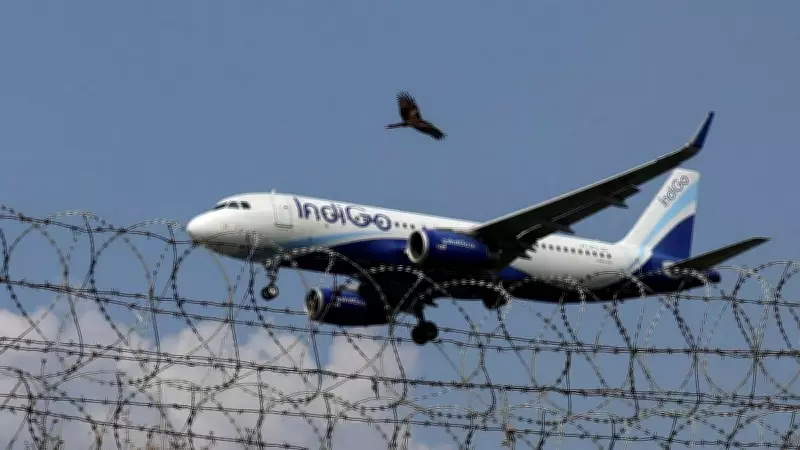
Indigo Airlines Reviews Competition Commission Order After Widespread Flight Disruptions
India's largest airline, Indigo, is currently reviewing an order issued by the Competition Commission of India (CCI) following a series of mass flight cancellations that left thousands of passengers stranded and disrupted travel plans across the country. The antitrust watchdog's directive comes amid growing concerns about market practices and consumer protection in the aviation sector.
Background of the CCI Investigation
The Competition Commission of India initiated its probe after receiving numerous complaints from passengers who faced significant inconvenience due to sudden and widespread flight cancellations by Indigo. These cancellations, which occurred over a concentrated period, affected multiple routes and created chaos at several major airports.
Passengers reported last-minute notifications, inadequate alternative arrangements, and difficulties in obtaining refunds or rebooking options. The scale of the disruptions prompted regulatory scrutiny into whether the airline's practices might constitute anti-competitive behavior or violate consumer rights provisions under Indian law.

Indigo's Response and Review Process
Indigo Airlines has acknowledged receiving the CCI order and has stated that it is conducting a thorough review of the directive. The airline emphasized its commitment to regulatory compliance and customer service while examining the specifics of the antitrust watchdog's findings.
The airline's management team is reportedly analyzing the order in consultation with legal experts to understand the implications and determine an appropriate course of action. This review process includes assessing the operational circumstances that led to the mass cancellations and evaluating the CCI's concerns regarding competitive practices in the aviation market.
Industry Context and Market Implications
This development occurs against the backdrop of increasing consolidation in India's aviation industry, where Indigo commands a dominant market share. Regulatory authorities have been paying closer attention to ensure fair competition and protect consumer interests as the sector evolves.
The CCI's intervention highlights the growing regulatory focus on how airlines manage operational disruptions and communicate with passengers during service failures. Industry observers note that the outcome of this case could establish important precedents for how airlines balance operational challenges with competitive obligations.
Passenger Impact and Consumer Protection
The mass cancellations that triggered this regulatory action created significant hardship for travelers, with many reporting:
- Last-minute itinerary changes without adequate notice
- Difficulty accessing customer service for rebooking
- Challenges obtaining refunds for canceled flights
- Additional expenses for alternative travel arrangements
- Missed connections and important engagements
Consumer advocacy groups have welcomed the CCI's scrutiny, emphasizing the need for stronger protections for air travelers in India. The case raises important questions about airline accountability during operational disruptions and the balance between business flexibility and consumer rights.
Looking Ahead: Potential Outcomes and Industry Impact
As Indigo continues its review of the CCI order, several potential outcomes could emerge:
- The airline might contest certain aspects of the order through available legal channels
- Operational changes could be implemented to address the concerns raised by regulators
- Compensation mechanisms for affected passengers might be strengthened
- Industry-wide guidelines for handling mass cancellations could be developed
- Enhanced transparency requirements for airline communications during disruptions
The aviation sector will be closely watching how this situation develops, as it could influence regulatory approaches to airline operations and consumer protection across the industry. The case represents an important test of how India's competition framework applies to service disruptions in essential transportation sectors.